Supplying Medicines and Supplements to the United States
A practical guide for buyers worldwide sourcing from the United States, and for manufacturers and exporters selling into it.
In the United States, the question isn't who may import. It's whether your product and your plant are approved. The FDA approves every prescription medicine itself and doesn't take other regulators' decisions on trust. Every foreign plant registers with the FDA and names a US agent, and each shipment is screened at the border. In 2026, tariffs also apply to patented medicines, while generics and biosimilars are exempt for now.
The same rigour makes the country a strong place to source from. It is home to many originator medicines, and the Orange Book names the reference products that generics are tested against. API makers file drug master files, FDA-registered plants are inspected before and after approval, and the FDA issues certificates of pharmaceutical product in the WHO format for buyers abroad.
The United States at a glance
| Regulator | Food and Drug Administration (FDA), through CDER for drugs and most biologics |
|---|---|
| Who imports / holds the approval | No local licence holder is required, but every foreign plant registers with the FDA, names a US agent and lists its US importers |
| Approval routes | NDA, ANDA for generics, 505(b)(2), and 351(k) BLA for biosimilars, all in eCTD format |
| Fast or reliance routes | No reliance on foreign approvals; priority review and ANDA prioritisation |
| Tariffs in 2026 | Up to 100% on patented medicines under Section 232; generics and biosimilars exempt for now |
| Unapproved medicine route | Expanded access for patients with serious or life-threatening conditions |
How to supply medicines to the United States
- Pick your approval route. Generics file an ANDA with bioequivalence data against the brand. A new dosage form, strength or indication usually goes through a 505(b)(2) application, and biosimilars through a 351(k) BLA. The FDA requires the eCTD format. Our dossier and registration service can help you plan the filing.
- Register your plant and name a US agent. Every plant that makes, repacks or relabels drugs for the US registers with the FDA before shipping, renews each year between 1 October and 31 December, and gives its own DUNS number. API makers file a Type II drug master file and give each customer a letter of authorisation. See what a DMF is.
- Stay inspection-ready and clear the border. The FDA now uses more unannounced inspections at foreign plants, and a plant on an import alert has its shipments detained. Use the correct FDA entry codes and serialise packs to the DSCSA standard from day one. Our guides to GDP and ICH stability cover two areas inspectors check closely.
- Price in the tariff and check the buyer's rules. Generics and biosimilars are outside the Section 232 tariff for now. Patented products pay 0%, 15% or 100% depending on origin and company deals, so check the latest position before you quote. Biotech suppliers should also read our BIOSECURE Act explainer, and the US and Canada import guide has the detail.
Doctors can seek an investigational medicine for a patient with a serious or life-threatening condition through FDA expanded access, when there is no comparable alternative and the patient cannot join a trial. Personal importation is FDA discretion, never a trade route, so commercial supply always needs an approval. See named-patient and special import and government tender supply.
Sourcing from the United States
- Originator medicines and comparators. The Orange Book lists FDA-approved drug products with their patents and exclusivities, and names the reference listed drug that a generic must be tested against. That makes US-sourced reference products a common need for bioequivalence studies and clinical trials. Our comparator supply service and comparator sourcing guide explain the documents and supply risks. To see what is losing protection soon, read medicines going generic in 2026 and 2027.
- APIs and drug master files. The FDA doesn't approve APIs separately. US API makers file a Type II DMF, and the FDA lists it as available for reference once it passes a completeness assessment. If you file in Europe, a DMF is not a CEP or ASMF, so ask which documents the maker holds. See CEP vs DMF vs ASMF and our API supplier network.
- Contract manufacturing. FDA-registered plants work to US cGMP and are inspected before and after approval. A US plant can also make unapproved medicines for export when the product complies with the importing country's laws and is authorised in a listed country, such as Canada, Japan, Switzerland or an EU state, and the exporter notifies the FDA. Start with our CDMO guide or white-label manufacturing.
- Export certificates. The FDA issues electronic certificates of pharmaceutical product in the WHO format through its CDER export certification system, mainly for approved drugs. Each is valid for 24 months. The FDA doesn't issue GMP certificates by that name: if a foreign regulator wants more than a CPP, a US plant can ask for a CGMP declaration letter. See how importers use a CoPP and our documentation pack.
Supplements
Dietary supplements are regulated as a category of food, and the FDA does not approve them before they go on sale. The company is responsible for their safety and labelling, must follow the dietary supplement good manufacturing practice rules, and must notify the FDA at least 75 days before marketing a new dietary ingredient. Keep disease claims off the pack. We help brands get supplements made under their own label by GMP-certified contract manufacturers: see nutraceutical private label.
What people in the United States search for
Semrush data from October 2026 shows that people in the United States search most for vitamins and supplements (about 1,000,000 searches a month), protein powder, probiotics and magnesium glycinate (823,000 each), and calcium supplements and collagen supplements (673,000 each).
Medicines are searched by their generic names too: gabapentin gets about 225,500 searches a month, meloxicam 213,700, prednisone 175,500 and metformin 168,100.
How importers, pharmacies and manufacturers in the United States search
The trade searches for outsourcing: “private label” gets about 6,600 searches a month and “contract manufacturing” about 5,400.
Originator brands searched by name include Ozempic (semaglutide), Farxiga (dapagliflozin) and Zepbound (tirzepatide). Brand names are trademarks of their owners and are used only to identify the medicine.
Supplements we can help you make
Often searched medicines include semaglutide, gabapentin, meloxicam, dapagliflozin and prednisone. Some examples we list:
Documents to ask your supplier for
- A Certificate of a Pharmaceutical Product (CoPP) in WHO format.
- The plant's GMP evidence, such as a WHO-GMP, EU-GMP or PIC/S certificate, plus any inspection by your regulator.
- The registration dossier (CTD or ACTD), with bioequivalence data for generics where required.
- Stability data for hot climates.
- A Certificate of Analysis for every batch.
Not sure a supplier is genuine? Read how to verify a pharmaceutical supplier. For the neighbouring markets, see our US and Canada import guide.
Sourcing for the United States?
Send the product, strength, quantity and the documents your regulator needs. We will match you with GMP-certified manufacturers and suppliers who can serve your market, wherever they are based.
Send your requirement Talk to our teamFrequently asked questions
Articles and guides for United States
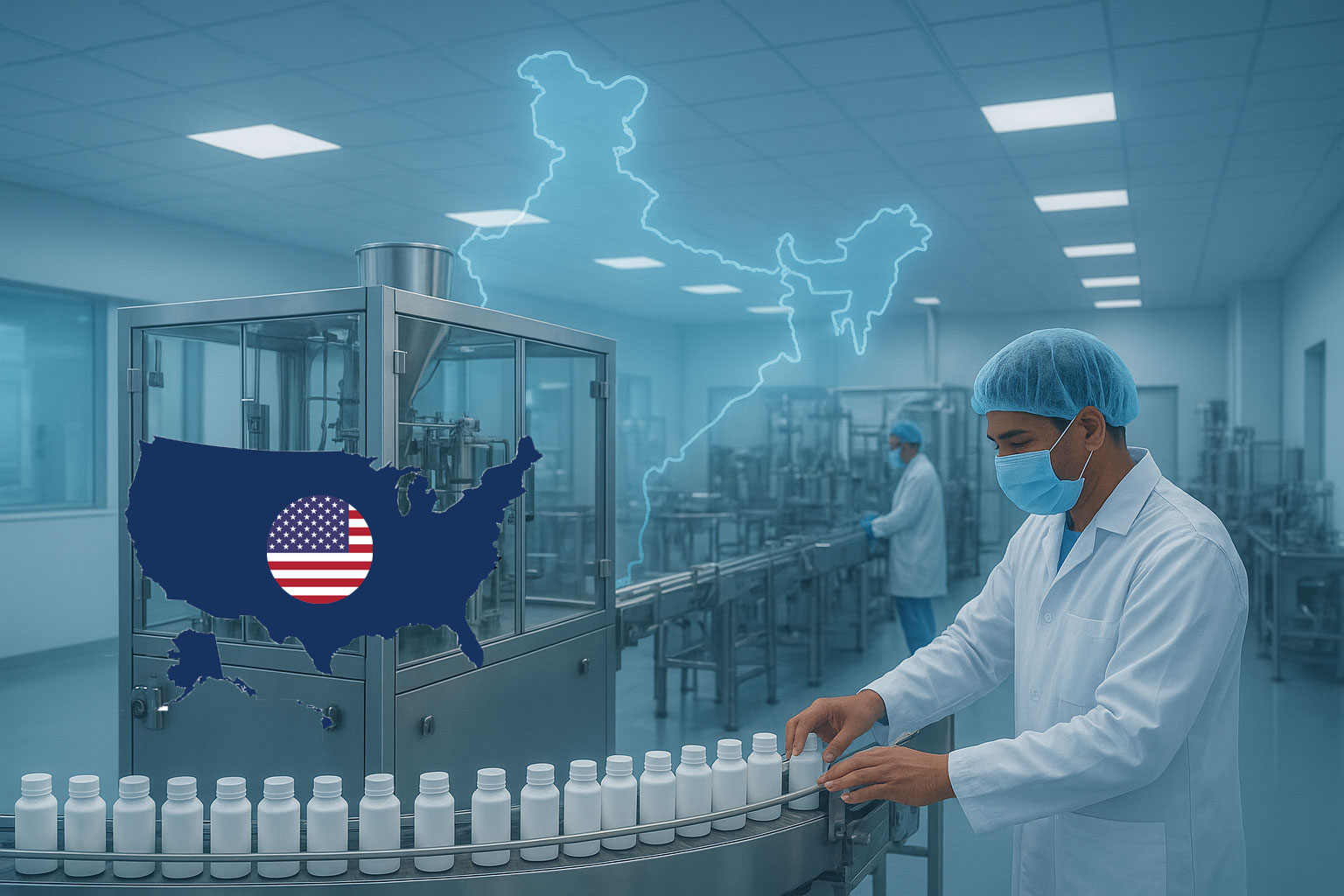
How Companies in the United States Can Source Pharma Products & CDMO Services from India
Find out how companies in USA can source affordable and high-quality pharmaceutical products from India. Follow our step...
Read Full StoryUnited States • Source Pharma Products & CDMO Services from India