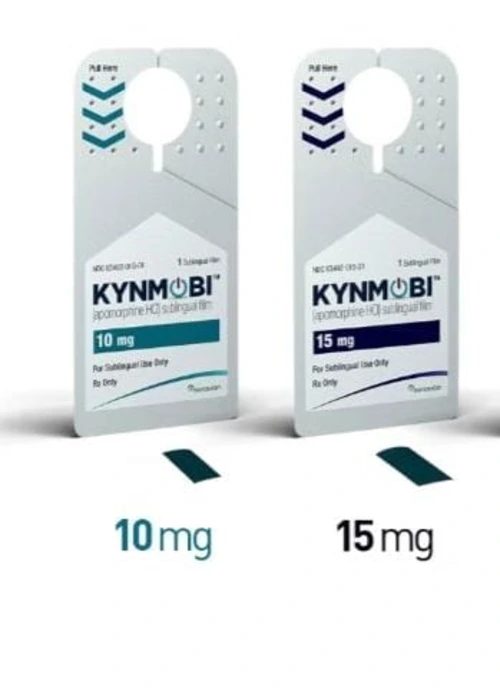
Apomorphine HCl Tablet Suppliers & Bulk Manufacturers
Available Forms: Sublingual Tablets
Available Strengths: 10 mg, 15 mg, 20 mg, 25 mg,30 mg
Reference Brands: Kynmobi (USA/EU)
Category: Neurology
Apomorphine is a dopamine agonist used to treat “off” episodes in Parkinson’s disease. It works by stimulating dopamine receptors in the brain to improve motor function when oral medications are less effective. Available as subcutaneous injections (Apokyn, APO-go, Onapgo) and sublingual films (Kynmobi), it provides rapid relief from motor fluctuations. Apomorphine is not a narcotic and is specifically targeted for neurological therapy.
Manufacture or export Apomorphine HCl Tablet? List it or send an offer →
Product Description:
Apomorphine is a potent non-selective dopamine agonist used primarily in the management of Parkinson’s disease. It activates D2-like dopamine receptors and, to a lesser extent, D1-like receptors, helping to improve motor function during “OFF” episodes when standard oral dopaminergic therapy is temporarily ineffective. In addition to its dopaminergic activity, apomorphine also exhibits high-affinity antagonism at 5-HT2 and α-adrenergic receptors, contributing to its complex pharmacological profile.
Chemically, apomorphine is an aporphine alkaloid originally derived from Nymphaea caerulea (blue lotus) and historically produced as a morphine decomposition product, though it does not contain morphine nor interact with opioid receptors. The name reflects its origin as a morphine derivative, with the “apo-” prefix indicating its chemical modification. Apomorphine’s diverse receptor interactions make it a valuable therapeutic agent for rapid symptom control in Parkinson’s disease, particularly for acute motor fluctuations, offering a targeted and effective approach to improving patient quality of life.
Apomorphine HCl Tablet — third party manufacturing & bulk supply
Apomorphine HCl Tablet is available through PharmaTradz for wholesale and bulk supply as well as on a third party (contract) manufacturing basis. Buyers sourcing this product generally take one of three routes:
Indicative minimum order quantity
Apomorphine HCl Tablet is supplied as Sublingual Tablets — an oral solid dosage form, so the indicative MOQ is 200,000 units. Actual MOQ is confirmed by the allocated manufacturer against your pack presentation and destination market. See full supply terms for dossier formats, market availability and shelf life.
Manufacturers of Apomorphine HCl Tablet listed on PharmaTradz hold site-level approvals across WHO-GMP, EU-GMP, USFDA, ANVISA and TGA, verified at onboarding.
Request a quote for Apomorphine HCl Tablet →Usually answered within 48 hours, with matched manufacturers, indicative prices and document status.
Frequently Asked Questions
Apomorphine HCl is used for the on-demand treatment of “OFF” episodes in patients with Parkinson’s disease. It helps rapidly improve motor function when standard oral dopaminergic therapy is temporarily ineffective.
Apomorphine HCl is a synthetic derivative of morphine that acts as a dopamine agonist. It works by stimulating dopamine receptors in the brain to improve motor control and reduce Parkinson’s disease symptoms.
Some of the trade names include Apokyn®, Kynmobi®, and APO-go® depending on the region and formulation.
Apomorphine HCl is manufactured and marketed by companies such as Sunovion Pharmaceuticals and other regional affiliates depending on the brand and market.
The generic name is apomorphine hydrochloride.
The brand names include Apokyn®, Kynmobi®, and APO-go® across different countries.
Apomorphine HCl is manufactured in GMP-certified facilities in the USA, Europe, and select countries in the EU/UK, depending on the regional brand and regulatory approvals.
Related Products
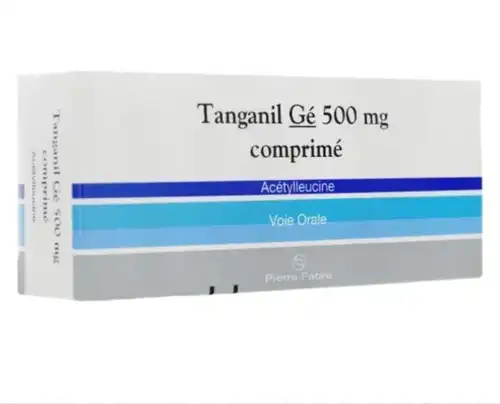
Acetylleucine
Strength:
500 mg, 500 mg/5 mL
Form: Tablets/ Injection
Reference Brands: Tanganil (EU)
View Details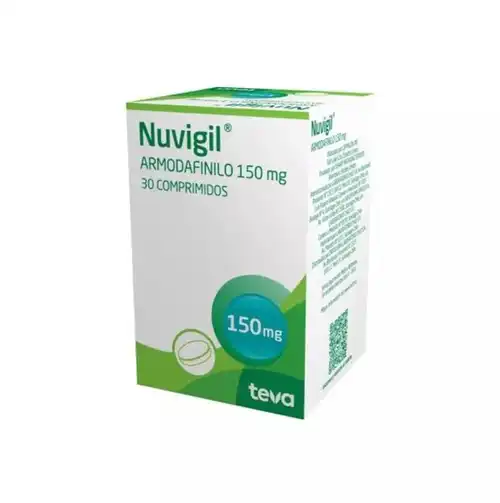
Armodafinil
Strength:
50 mg, 150 mg, 200 mg
Form: Tablets
Reference Brands: Nuvigil (USA)
View Details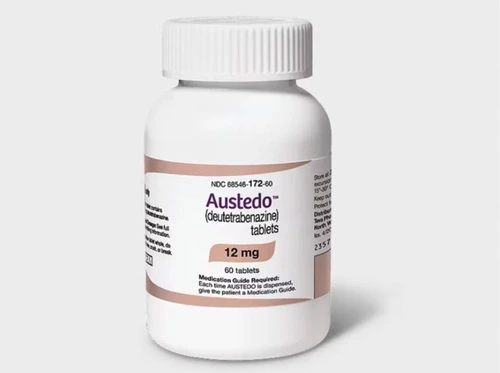
Deutetrabenazine
Strength:
6 mg, 9 mg, 12 mg, 15 mg, 18 mg, 21 mg, 24 mg
Form: Tablets
Reference Brands: Austedo (USA/EU)
View Details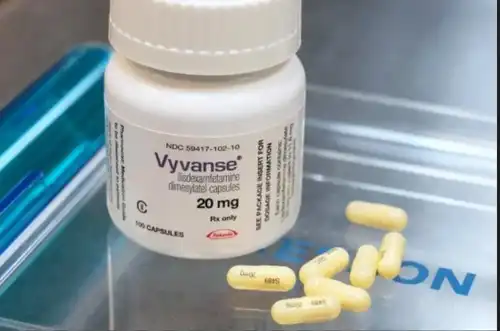
Lisdexamfetamine
Strength:
10 mg, 20 mg, 30 mg, 40 mg, 50 mg, 60 mg
Form: Chewable Tablets / Capsule
Reference Brands: Vyvanse (USA), Elvanse (EU)
View Details
Usually answered within 48 hours | GMP documents shared before you commit