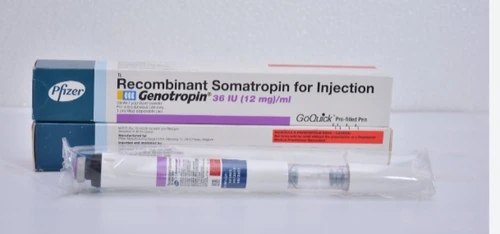
Somatropin Suppliers & Bulk Manufacturers
Available Forms: injection (prefilled syringe)
Available Strengths: 5 mg/1.5 mL, 10 mg/1.5 mL, 15 mg/1.5 mL
Reference Brands: Genotropin (EU), Norditropin (EU)
Category: Women's Health
Somatropin is a Women's Health product available as injection (prefilled syringe) in strengths 5 mg/1.5 mL, 10 mg/1.5 mL, 15 mg/1.5 mL. It corresponds to the reference brands Genotropin (EU), Norditropin (EU). Verified GMP manufacturers and suppliers on PharmaTradz offer it in bulk for import worldwide, with regulatory documentation and dossier support available on request.
Manufacture or export Somatropin? List it or send an offer →
Product Description:
Growth hormone deficiency (GHD) is a medical condition characterized by insufficient production or secretion of growth hormone (GH) from the pituitary gland. Growth hormone plays a vital role in normal growth, metabolism, and overall body development. When the body does not produce enough GH, it can lead to growth failure in children and a range of metabolic and physical changes in adults. Globally, childhood growth hormone deficiency is estimated to affect approximately 1 in 4,000 to 10,000 children, while prevalence rates may vary by region. Adult growth hormone deficiency is less common but still represents an important endocrine disorder requiring proper diagnosis and management.
GHD is typically classified into two main types: childhood-onset growth hormone deficiency (CO-GHD) and adult-onset growth hormone deficiency (AO-GHD). Childhood-onset cases may be congenital, acquired, or idiopathic. Congenital GHD is usually associated with genetic abnormalities that affect the synthesis of growth hormone or the function of growth hormone–releasing hormone receptors. Acquired GHD may occur due to tumors affecting the pituitary gland or hypothalamus, surgical procedures, radiation therapy, brain injuries, infections such as meningitis, or other damage to the brain.
In adults, growth hormone deficiency often develops as a result of pituitary tumors, medical treatments affecting the pituitary region, or as a continuation of untreated childhood-onset GHD. In some cases, GHD occurs alone, while in others it may be associated with deficiencies of additional pituitary hormones. Early diagnosis and appropriate treatment are important to manage symptoms, support normal growth in children, and improve metabolic health and quality of life in affected individuals.
Somatropin — third party manufacturing & bulk supply
Somatropin is available through PharmaTradz for wholesale and bulk supply as well as on a third party (contract) manufacturing basis. Buyers sourcing this product generally take one of three routes:
Indicative minimum order quantity
Somatropin is supplied as injection (prefilled syringe) — an injectable dosage form, so the indicative MOQ is 50,000 units. Actual MOQ is confirmed by the allocated manufacturer against your pack presentation and destination market. See full supply terms for dossier formats, market availability and shelf life.
Manufacturers of Somatropin listed on PharmaTradz hold site-level approvals across WHO-GMP, EU-GMP, USFDA, ANVISA and TGA, verified at onboarding.
Request a quote for Somatropin →Usually answered within 48 hours, with matched manufacturers, indicative prices and document status.
Frequently Asked Questions
Somatropin is used to treat growth hormone deficiency in children and adults. It is also prescribed for conditions such as Turner syndrome, chronic kidney disease-related growth failure, Prader–Willi syndrome, and short stature associated with certain genetic or medical conditions. In adults, it may be used to replace growth hormone that the body does not produce adequately.
Somatropin is produced using recombinant DNA technology. It is a synthetic version of human growth hormone that is manufactured in laboratory-controlled processes using genetically engineered cells to produce a hormone identical to the natural growth hormone produced by the pituitary gland.
Common trade names include Genotropin, Humatrope, Norditropin, Omnitrope, Saizen, and Zomacton.
Several companies make it, in India and elsewhere. Tell us your market and we will match you with licensed makers whose documents fit.
The generic name is somatropin (recombinant human growth hormone).
Brand names include Genotropin, Humatrope, Norditropin, Omnitrope, Saizen, and Zomacton.
Somatropin is manufactured in specialized biopharmaceutical facilities across countries such as the United States, Denmark, Switzerland, Germany, India, and other regulated markets where recombinant biotechnology products are produced under strict GMP and biologics manufacturing standards.
Related Products
Carbetocin Injection
Strength:
100 mcg/ml
Form: Solution for injection (ampoule/vial)
Reference Brands: Duratocin, Pabal
View Details
Levonorgestrel Implant
Strength:
2 rods × 75 mg (150 mg)
Form: Subdermal implant with sterile inserter
Reference Brands: Jadelle
View Details
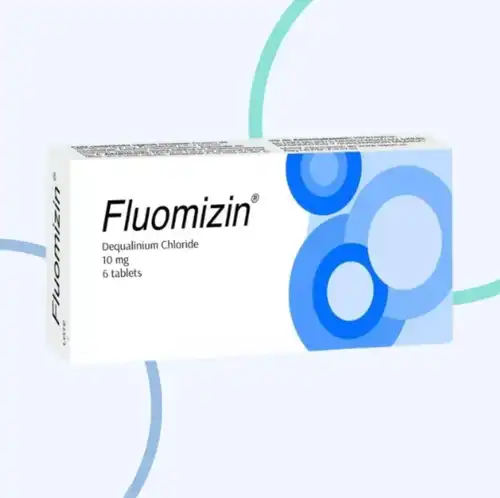
Dequalinium Chloride
Strength:
10mg
Form: Vaginal tablets
Reference Brands: Fluomizin (EU)
View Details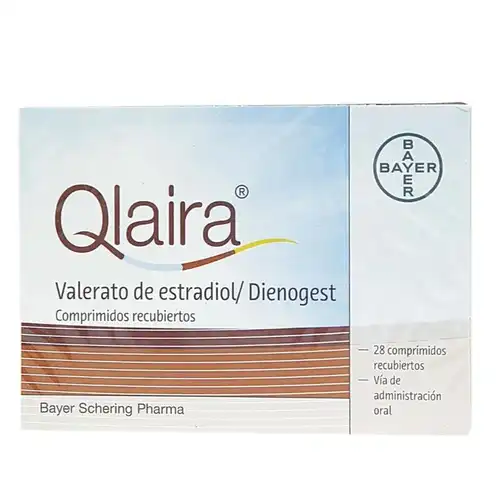
Estradiol Valerate / Dienogest
Strength:
Four-phasic pack: estradiol valerate 3 mg; 2 mg + dienogest 2 mg; 2 mg + dienogest 3 mg; 1 mg
Form: Tablet
Reference Brands: Natazia (USA), Qlaira (EU)
View Details
Usually answered within 48 hours | GMP documents shared before you commit