Succinylcholine Chloride 20 mg/mL, 100 mg/mL Suppliers & Bulk Manufacturers
Available Forms: Injection
Available Strengths: 20 mg/mL, 100 mg/mL
Reference Brands: Anectine (USA), Quelicin (USA)
Category: Anaesthetics
Succinylcholine (suxamethonium) chloride injection is a fast-acting muscle relaxant used for rapid-sequence intubation and short procedures under general anaesthesia. It works within a minute and lasts only a few minutes. It can trigger malignant hyperthermia in susceptible patients. Vials are usually stored refrigerated (2–8 °C). Reference brands include Anectine and Quelicin. PharmaTradz sources it for importers, hospitals and tenders, and shares GMP certificates and CoA before you commit.
Manufacture or export Succinylcholine Chloride? List it or send an offer →
Product Description:
Succinylcholine Chloride is the chloride salt form of succinylcholine, a quaternary ammonium compound that functions as a rapid-acting depolarizing neuromuscular blocking agent. It is primarily used to induce short-term skeletal muscle relaxation during general anesthesia, rapid sequence intubation, and certain emergency or surgical procedures where quick onset and brief duration of action are essential. Structurally similar to acetylcholine, Succinylcholine Chloride binds to nicotinic acetylcholine receptors at the neuromuscular junction and opens ligand-gated ion channels, leading to depolarization of the motor end plate.
Unlike acetylcholine, succinylcholine is resistant to breakdown by acetylcholinesterase at the synaptic cleft, resulting in prolonged depolarization. This sustained depolarized state prevents further neuromuscular transmission, initially causing transient muscle fasciculations followed by skeletal muscle relaxation and flaccid paralysis. The drug’s effects are short-lived due to rapid hydrolysis by plasma pseudocholinesterase, allowing for quick recovery of muscle function.
Because Succinylcholine Chloride causes complete muscle paralysis, it must be administered only in controlled medical environments with adequate airway management and ventilatory support. Its predictable onset and brief duration make it especially valuable in anesthesia and emergency medicine when rapid, temporary neuromuscular blockade is required.
Succinylcholine Chloride — third party manufacturing & bulk supply
Succinylcholine Chloride 20 mg/mL, 100 mg/mL is available through PharmaTradz for wholesale and bulk supply as well as on a third party (contract) manufacturing basis. Buyers sourcing this product generally take one of three routes:
Indicative minimum order quantity
Succinylcholine Chloride is supplied as Injection — an injectable dosage form, so the indicative MOQ is 50,000 units. Actual MOQ is confirmed by the allocated manufacturer against your pack presentation and destination market. See full supply terms for dossier formats, market availability and shelf life.
Manufacturers of Succinylcholine Chloride listed on PharmaTradz hold site-level approvals across WHO-GMP, EU-GMP, USFDA, ANVISA and TGA, verified at onboarding.
Request a quote for Succinylcholine Chloride →Usually answered within 48 hours, with matched manufacturers, indicative prices and document status.
Frequently Asked Questions
Succinylcholine Chloride is used as a rapid-acting depolarizing neuromuscular blocking agent to produce short-term skeletal muscle paralysis. It is commonly administered during the induction of general anesthesia, rapid sequence endotracheal intubation, and certain surgical or emergency procedures where quick muscle relaxation is required.
Succinylcholine Chloride is a synthetic compound composed of two acetylcholine molecules linked together, formulated as the chloride salt to enhance stability and solubility for injectable use.
Succinylcholine Chloride is marketed under trade names such as Anectine and Quelicin in the USA, and as Suxamethonium Chloride Injection in the UK and EU markets.
Succinylcholine Chloride is manufactured by multiple pharmaceutical companies worldwide, particularly those specializing in hospital injectables and anesthetic products, with production varying by region and regulatory approval.
The complete generic name of the product is succinylcholine chloride.
Common brand names include Anectine, Quelicin, and Suxamethonium Chloride Injection BP.
Succinylcholine Chloride is manufactured in several countries, including the USA, India, and various EU nations, by GMP-compliant pharmaceutical manufacturers supplying regulated and hospital markets.
Most vials are stored at 2–8 °C; many products can be kept at room temperature for a limited period (for example up to 14 days). Check the specific product labelling.
It gives the fastest onset and shortest duration of any muscle relaxant, which is valuable for rapid-sequence intubation. Rocuronium with sugammadex is the main alternative.
Malignant hyperthermia, dangerous rises in potassium in burns, crush injuries and neuromuscular disease, and prolonged paralysis in people with pseudocholinesterase deficiency.
Related Products

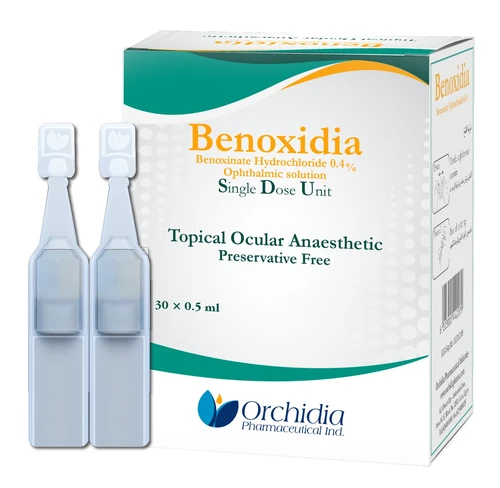
Benoxinate Hydrochloride
Strength:
0.4% w/v
Form: Ophthalmic Solution
Reference Brands: -
View Details
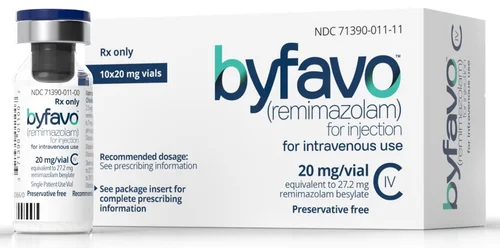
Remimazolam Besylate
Strength:
20 mg, 50 mg
Form: Injection
Reference Brands: Byfavo (USA/EU)
View Details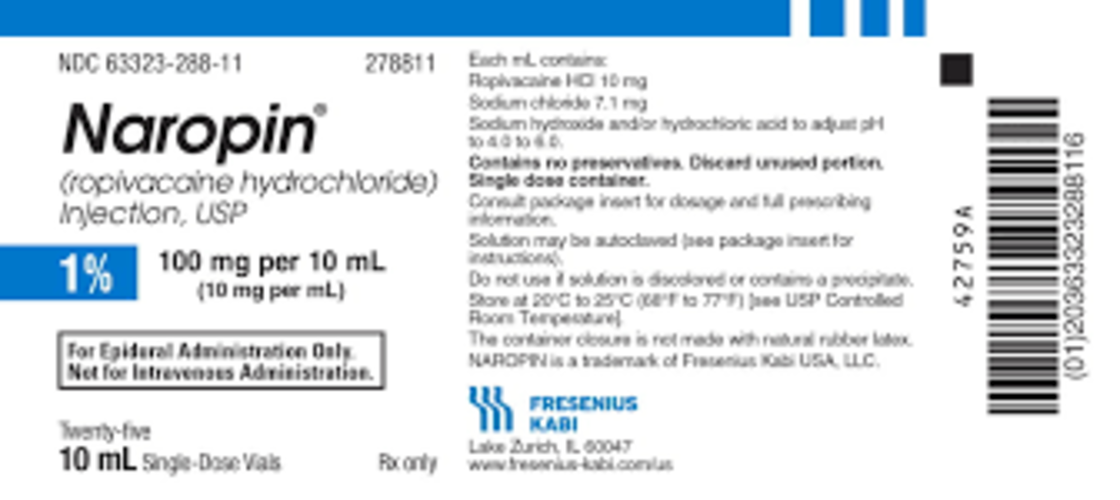
Ropivacaine
Strength:
0.2% (2 mg/mL), 0.5% (5 mg/mL), 0.75% (7.5 mg/mL), 1.0% (10 mg/mL)
Form: Injection
Reference Brands: Naropin (US & EU)
View Details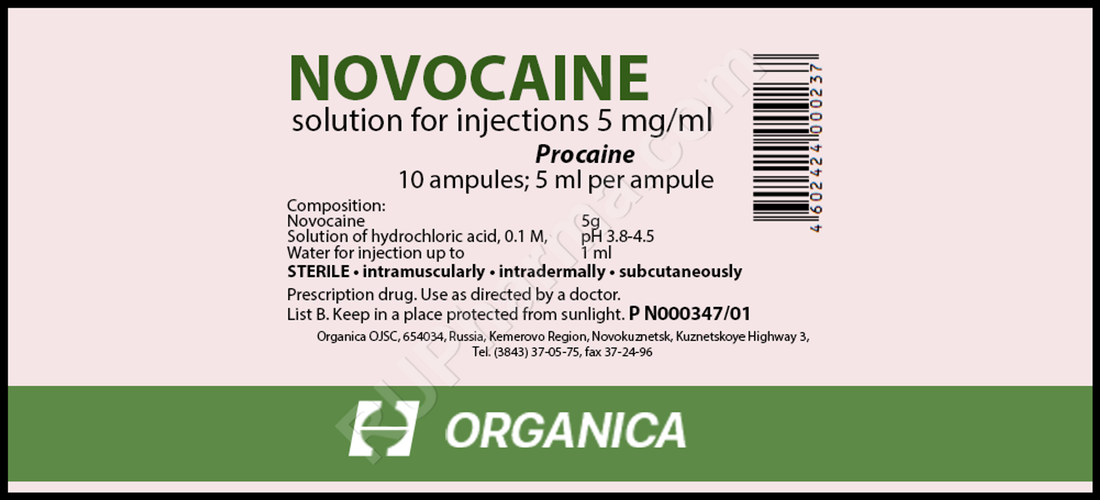
Procaine Generics
Strength:
0.5%, 1%, 2% and 10%
Form: Injection
Reference Brands: Novocain (EU & US)
View Details
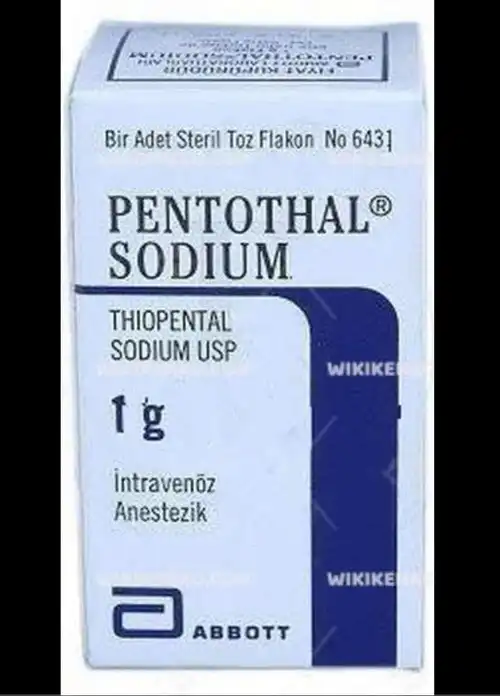
Thiopental Sodium
Strength:
500 mg, 1g
Form: Injection
Reference Brands: Pentothal (USA/EU)
View DetailsUsually answered within 48 hours | GMP documents shared before you commit