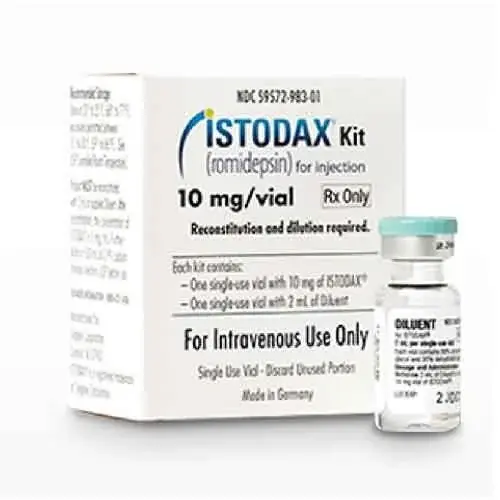
Romidepsin 10 mg Suppliers & Bulk Manufacturers
Available Forms: Injection
Available Strengths: 10 mg
Reference Brands: Istodax (USA/EU)
Category: Oncology Cancer Care
Romidepsin is a Oncology Cancer Care product available as Injection in strengths 10 mg. It corresponds to the reference brand Istodax (USA/EU). Verified GMP manufacturers and suppliers on PharmaTradz offer it in bulk for import worldwide, with regulatory documentation and dossier support available on request.
Manufacture or export Romidepsin? List it or send an offer →
Product Description:
Romidepsin is an anticancer agent used in the treatment of cutaneous T-cell lymphoma (CTCL) and certain types of peripheral T-cell lymphoma (PTCL) in adult patients who have received prior systemic therapy. It is marketed under the brand name Istodax and is administered intravenously under specialist oncology supervision. Romidepsin belongs to a class of compounds known as depsipeptides and is derived from a natural product originally isolated from the bacterium Chromobacterium violaceum.
Pharmacologically, romidepsin functions as a histone deacetylase (HDAC) inhibitor. Following intracellular activation, it binds to HDAC enzymes and blocks their activity, leading to changes in gene expression within malignant cells. These epigenetic modifications result in cell cycle arrest, cellular differentiation, and programmed cell death (apoptosis). In addition to its direct antitumor effects, romidepsin has been shown to inhibit hypoxia-induced angiogenesis and reduce levels of several heat shock protein 90 (Hsp90)-dependent oncoproteins, further contributing to its antineoplastic activity.
Due to its potent mechanism of action and safety considerations, romidepsin therapy requires careful patient selection, monitoring, and administration in controlled clinical settings.
Romidepsin — third party manufacturing & bulk supply
Romidepsin 10 mg is available through PharmaTradz for wholesale and bulk supply as well as on a third party (contract) manufacturing basis. Buyers sourcing this product generally take one of three routes:
Indicative minimum order quantity
Romidepsin is supplied as Injection — an injectable dosage form, so the indicative MOQ is 50,000 units. Actual MOQ is confirmed by the allocated manufacturer against your pack presentation and destination market. See full supply terms for dossier formats, market availability and shelf life.
Manufacturers of Romidepsin listed on PharmaTradz hold site-level approvals across WHO-GMP, EU-GMP, USFDA, ANVISA and TGA, verified at onboarding.
Request a quote for Romidepsin →Usually answered within 48 hours, with matched manufacturers, indicative prices and document status.
Frequently Asked Questions
Romidepsin is used to treat cutaneous T-cell lymphoma (CTCL) and peripheral T-cell lymphoma (PTCL) in adult patients who have received prior systemic therapy.
Romidepsin is a synthetic cyclic peptide compound originally derived from a natural product, formulated as a sterile injectable anticancer agent.
The trade name of romidepsin is Istodax.
Istodax was developed by Gloucester Pharmaceuticals and later acquired and marketed by Celgene, which is now part of Bristol Myers Squibb.
The complete generic name is romidepsin.
The approved brand name is Istodax.
Romidepsin is manufactured in GMP-approved facilities in the USA and other regulated pharmaceutical manufacturing regions, depending on the authorized manufacturer and market.
Related Products
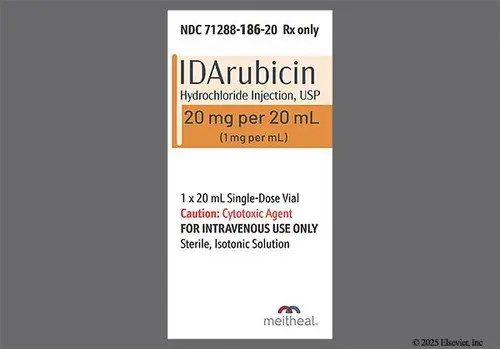
Idarubicin Hydrochloride
Strength:
5 mg/5 mL
Form: Injection
Reference Brands: Idamycin (USA)
View Details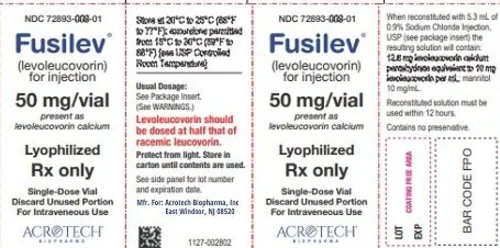
Levoleucovorin
Strength:
5 mg, 10 mg, 25 mg, 50 mg, 100 mg, 175 mg, 250 mg
Form: Tablet / Injection
Reference Brands: Fusilev (USA)
View Details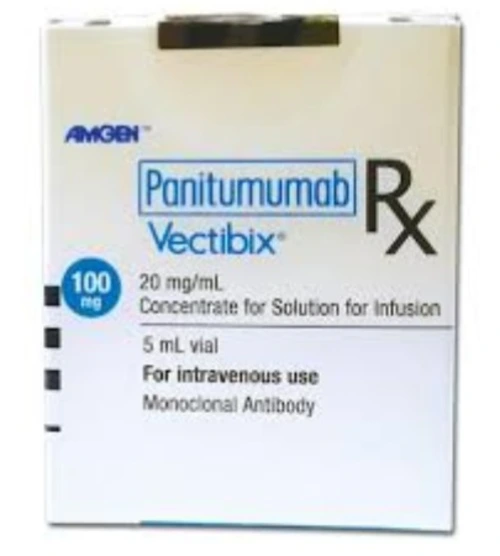
Panitumumab
Strength:
100 mg/5 mL
Form: Solution for Infusion
Reference Brands: Vectibix (USA/LATAM)
View Details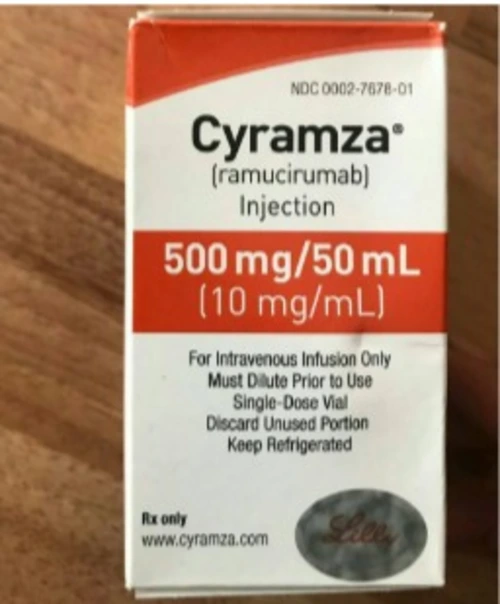
Ramucirumab
Strength:
100 mg/10 mL
Form: Solutions for disinfection
Reference Brands: Cyramza (USA)
View Details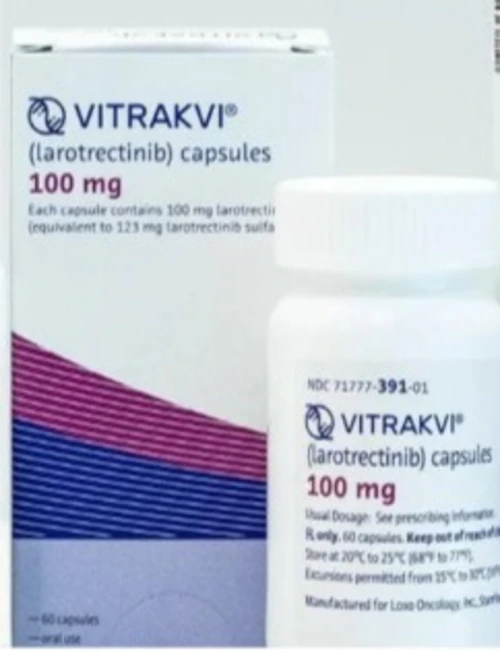
Larotrectinib Sulfate
Strength:
25 mg, 100 mg, 20 mg/mL
Form: Capsule / Oral suspension
Reference Brands: Vitrakvi (USA/EU/LATAM)
View Details
Usually answered within 48 hours | GMP documents shared before you commit