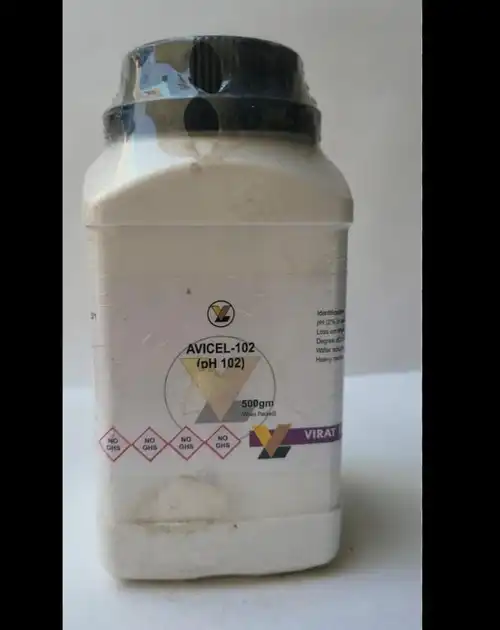
Microcrystalline Cellulose PH 101 / PH 102 grades Suppliers & Bulk Manufacturers
Available Forms: Powder / Granules
Available Strengths: PH 101 / PH 102 grades
Reference Brands: -
Category: Pharmaceutical Excipients
Microcrystalline cellulose (MCC) is one of the most widely used tablet fillers and binders, made from purified wood pulp. It is sold in grades that differ in particle size and moisture, such as PH 101, PH 102, PH 112 and PH 200. We source pharmacopoeial grade MCC (USP-NF, Ph. Eur., IP) from manufacturers in India, with batch Certificates of Analysis and supplier documents.
Manufacture or export Microcrystalline Cellulose? List it or send an offer →
Product Description:
Microcrystalline cellulose (MCC) is a purified, partially depolymerized form of cellulose derived from refined wood pulp. It is widely used across the pharmaceutical, food, and nutraceutical industries due to its excellent functional and stability properties. MCC appears as a fine, white, odorless powder and is valued for its ability to act as a reliable excipient in various formulations. In pharmaceutical manufacturing, it is commonly used in tablets and capsules as a binder, filler, and disintegrant, helping to improve compressibility and ensure uniform distribution of active ingredients.
In the food industry, microcrystalline cellulose serves multiple roles such as a texturizer, anti-caking agent, fat substitute, emulsifier, extender, and bulking agent. These properties make it useful in processed foods where improved texture, stability, and consistency are required. It helps maintain product quality while supporting formulation efficiency in large-scale production.
MCC is also widely used in vitamin supplements and nutraceutical tablets because of its compatibility with a wide range of active ingredients and its ability to enhance tablet strength and stability. Additionally, in research and laboratory applications, microcrystalline cellulose can be used in plaque assays for counting viruses as an alternative to carboxymethylcellulose. Due to its versatility, safety profile, and functional benefits, microcrystalline cellulose remains an important material in modern pharmaceutical and food manufacturing.
MCC grades and what they are for
- PH 101: fine powder, used in wet granulation and for making spheres (pellets).
- PH 102: coarser powder that flows better, widely used in direct compression.
- PH 112: low-moisture grade for moisture-sensitive drugs.
- PH 200: large particles for better flow in direct compression.
The grade names come from the original Avicel range, and other makers sell equivalent grades. Silicified MCC, co-processed with colloidal silicon dioxide, is also available for better flow.
MCC manufacturing in India
India has several MCC manufacturers supplying domestic and export markets. When you buy, ask for the monograph (USP-NF, Ph. Eur. or IP), particle size, bulk density and loss on drying for the grade, microbial limits, the supplier's excipient GMP certification, and an undertaking to notify you of process changes.
Our explainer on what an excipient is and why quality matters covers excipient sourcing, and our tablet contract manufacturing page covers finished-product supply. Send us an RFQ with the grade, quantity and pack size.
Microcrystalline Cellulose — third party manufacturing & bulk supply
Microcrystalline Cellulose PH 101 / PH 102 grades is available through PharmaTradz for wholesale and bulk supply as well as on a third party (contract) manufacturing basis. Buyers sourcing this product generally take one of three routes:
Indicative minimum order quantity
Microcrystalline Cellulose is supplied as Powder / Granules — supplied in more than one dosage form, each with its own manufacturing economics, so the indicative MOQ is a minimum order value of USD 5,000 per product. Actual MOQ is confirmed by the allocated manufacturer against your pack presentation and destination market. See full supply terms for dossier formats, market availability and shelf life.
Manufacturers of Microcrystalline Cellulose listed on PharmaTradz hold site-level approvals across WHO-GMP, EU-GMP, USFDA, ANVISA and TGA, verified at onboarding.
Request a quote for Microcrystalline Cellulose →Usually answered within 48 hours, with matched manufacturers, indicative prices and document status.
Frequently Asked Questions
Mainly as a filler and binder in tablets and capsules, where it improves compressibility and tablet strength. It is also used in pellets and, in food, as a texturiser and anti-caking agent.
Particle size. PH 101 is finer and suits wet granulation; PH 102 is coarser, flows better and is preferred for direct compression.
Several Indian companies make pharmacopoeial grade MCC. We match each enquiry with manufacturers whose grades and documents fit your formulation and market.
Well-known brands include Avicel, Vivapur, Emcocel and Ceolus, among others.
Related Products
Polyvinylpyrrolidone (PVP)
Strength:
K12, K17, K25, K30, K60
Form: Powder
Reference Brands: -
View Details
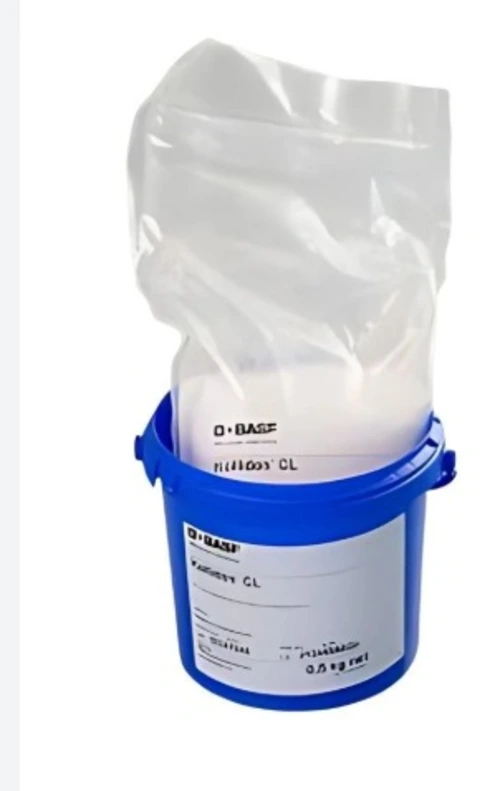
Crospovidone
Strength:
Type A, Type B, XL, XL-10, CL, CL-F
Form: Powder
Reference Brands: -
View Details
Sodium Lauryl Sulfate
Strength:
0.1% to 5% w/w
Form: crystalline powder
Reference Brands: -
View Details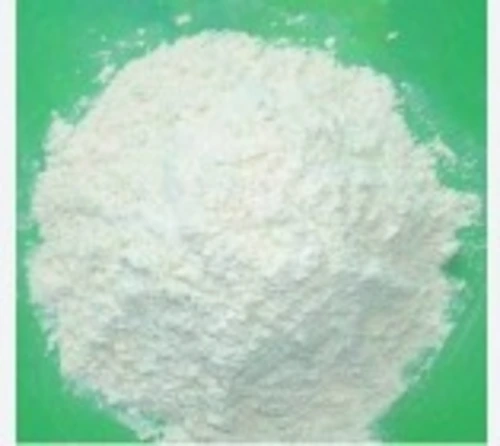
Usually answered within 48 hours | GMP documents shared before you commit