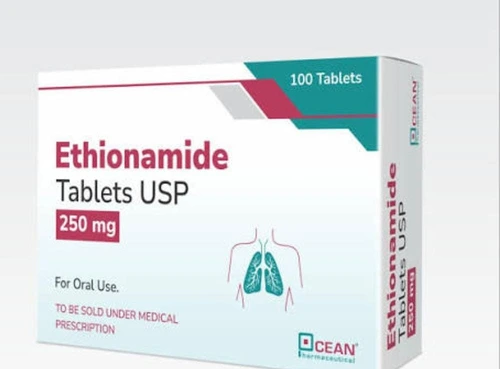
Ethionamide 250 mg Suppliers & Bulk Manufacturers
Available Forms: Tablets
Available Strengths: 250 mg
Reference Brands: -
Category: Respiratory Disorder
Ethionamide is a Respiratory Disorder product available as Tablets in strengths 250 mg. It corresponds to the reference brand -. Verified GMP manufacturers and suppliers on PharmaTradz offer it in bulk for import worldwide, with regulatory documentation and dossier support available on request.
Manufacture or export Ethionamide? List it or send an offer →
Product Description:
Ethionamide, also known as ETA or ETH, is an oral antibiotic used primarily in the treatment of tuberculosis, particularly multidrug-resistant tuberculosis (MDR-TB). It is used in combination with other antituberculosis medications as part of a second-line regimen to ensure effective bacterial eradication and prevent the development of further drug resistance.
Ethionamide exhibits antimicrobial activity against Mycobacterium tuberculosis, M. bovis, and M. smegmatis, and is occasionally used against M. leprae and other nontuberculous mycobacteria, including M. avium and M. kansasii. It works by inhibiting mycolic acid synthesis in the bacterial cell wall, preventing bacterial growth and replication. While its mechanism is similar to isoniazid, cross-resistance occurs in only a small percentage of strains because both drugs are prodrugs activated by different pathways.
Ethionamide is administered orally under medical supervision, usually as part of a combination therapy. Regular monitoring is recommended to assess treatment efficacy and detect potential side effects, including gastrointestinal disturbances and hepatotoxicity. Its targeted activity against resistant mycobacterial strains makes ethionamide a valuable option in the management of complex tuberculosis infections.
Ethionamide — third party manufacturing & bulk supply
Ethionamide 250 mg is available through PharmaTradz for wholesale and bulk supply as well as on a third party (contract) manufacturing basis. Buyers sourcing this product generally take one of three routes:
Indicative minimum order quantity
Ethionamide is supplied as Tablets — an oral solid dosage form, so the indicative MOQ is 200,000 units. Actual MOQ is confirmed by the allocated manufacturer against your pack presentation and destination market. See full supply terms for dossier formats, market availability and shelf life.
Manufacturers of Ethionamide listed on PharmaTradz hold site-level approvals across WHO-GMP, EU-GMP, USFDA, ANVISA and TGA, verified at onboarding.
Request a quote for Ethionamide →Usually answered within 48 hours, with matched manufacturers, indicative prices and document status.
Frequently Asked Questions
Ethionamide is used to treat tuberculosis, including multidrug-resistant TB, by inhibiting bacterial cell wall synthesis and preventing bacterial growth.
Ethionamide is a synthetic antibiotic of the thioamide class that interferes with mycolic acid synthesis in Mycobacterium tuberculosis.
Trade names include Ethionamide Zentiva and Ethionamide Sandoz depending on the region.
Ethionamide is manufactured by licensed pharmaceutical companies such as Zentiva and Sandoz.
The generic name is ethionamide.
Brand names include Ethionamide Zentiva and Ethionamide Sandoz.
Ethionamide is manufactured in regulated pharmaceutical facilities in the USA, EU, and UK, depending on the brand.
Related Products
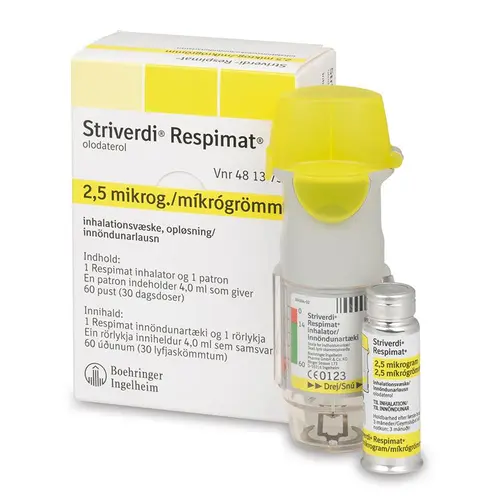
Olodaterol
Strength:
2.5 mcg
Form: Inhalation solution
Reference Brands: Striverdi Respimat (USA)
View Details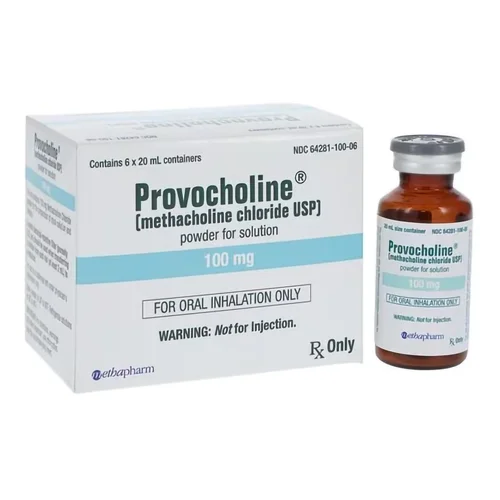
Methacholine Chloride
Strength:
0.25 mg/mL, 0.5 mg/mL, 1 mg/mL, 2 mg/mL
Form: Inhalation solution
Reference Brands: Provocholine (USA)
View Details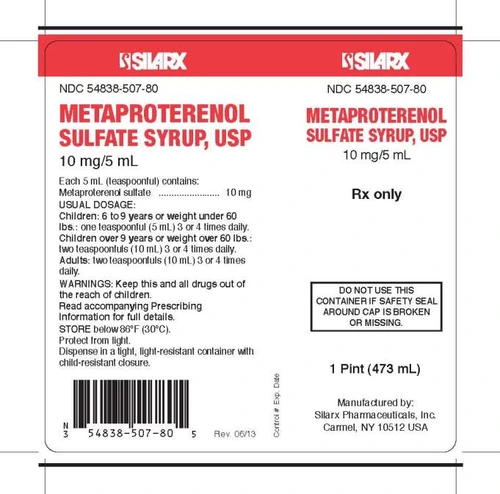
Metaproterenol Sulfate
Strength:
10 mg, 15 mg,5 mg/5 m
Form: Tablet / Syrup / Inhalation Solution
Reference Brands: -
View Details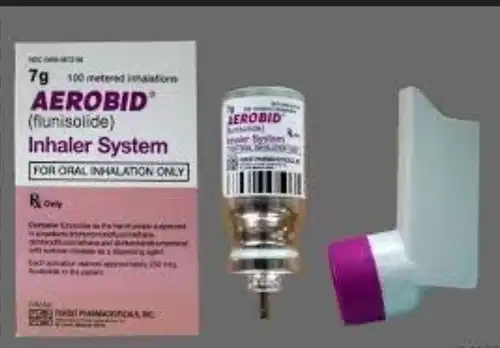
Flunisolide
Strength:
250 mcg
Form: Inhalation solution
Reference Brands: AeroBid (USA)
View Details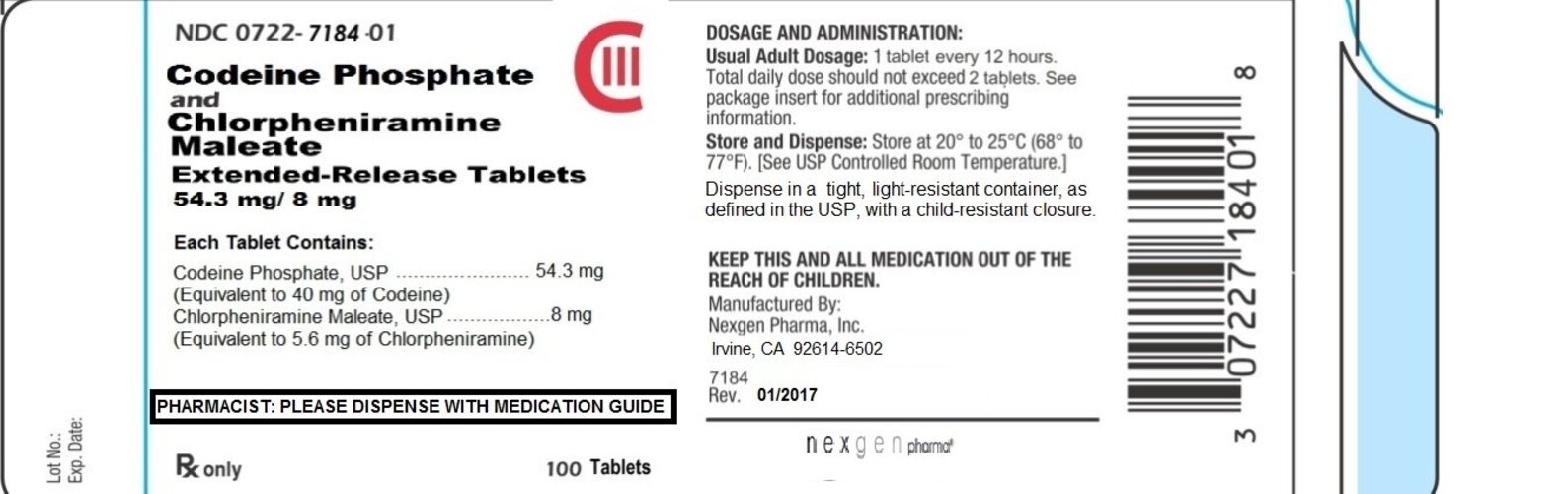
Chlorpheniramine Maleate / Codeine
Strength:
54.3 mg of codeine; 8 mg of chlorpheniramine maleate
Form: Extended-Release Tablets
Reference Brands: Tuxarin ER (US)
View Details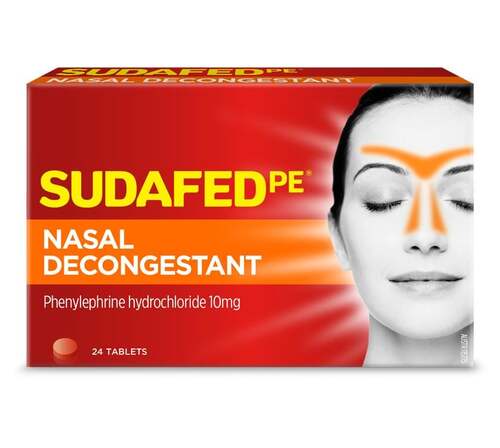
Phenylephrine Hydrochloride (HCl)
Strength:
Tab:10 mg , Nasal Spray:0.25% to 1%, Injection: 10 mg/mL
Form: Tablet, Nasal Sprays, Injectable Solutions
Reference Brands: US: Neo-Synephrine®
View Details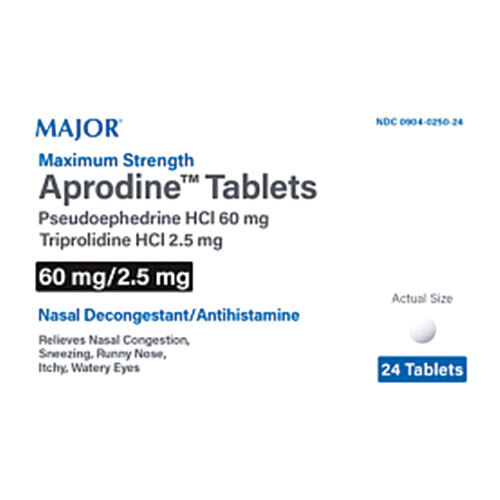
Triprolidine HCl + Pseudoephedrine HCl
Strength:
Tab: 2.5 mg/60 mg; Oral Solution: 0.5 mg/mL, 0.625 mg/mL, 0.938 mg/mL, and 1.25 mg/mL
Form: Tablet & Oral solution
Reference Brands: -
View Details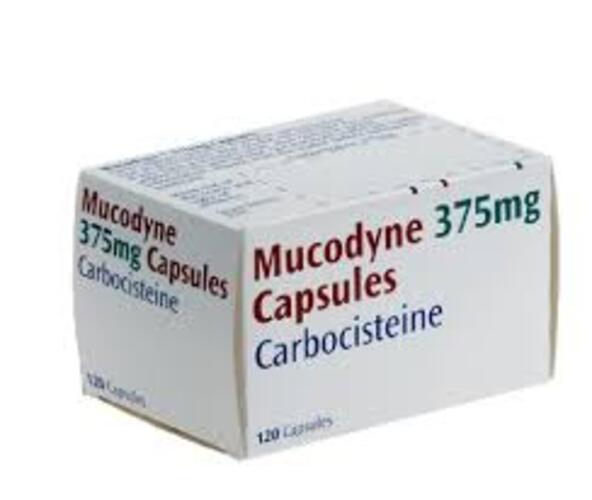
Carbocisteine
Strength:
Cap: 375 mg and 750 mg; Oral Solution: 50 mg/5 mL and 750 mg/5 mL
Form: Capsules, Oral Solutions/Syrups
Reference Brands: Mucodyne, Rhinathiol®
View DetailsUsually answered within 48 hours | GMP documents shared before you commit