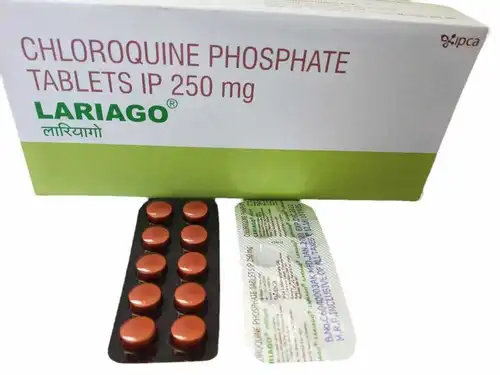
Chloroquine Phosphate Suppliers & Bulk Manufacturers
Available Forms: Tablets / injection
Available Strengths: 100 mg , 150 mg , 200 mg , 250 mg , 40 mg/ml
Reference Brands: Aralen (USA), Nivaquine (EU)
Category: Antimalarial Drugs
Chloroquine Phosphate is a Antimalarial Drugs product available as Tablets / injection in strengths 100 mg , 150 mg , 200 mg , 250 mg , 40 mg/ml. It corresponds to the reference brands Aralen (USA), Nivaquine (EU). Verified GMP manufacturers and suppliers on PharmaTradz offer it in bulk for import worldwide, with regulatory documentation and dossier support available on request.
Manufacture or export Chloroquine Phosphate? List it or send an offer →
Product Description:
Chloroquine is an antiparasitic medicine primarily used for the treatment and prevention of malaria caused by certain species of Plasmodium parasites that are sensitive to chloroquine therapy. The medicine works by interfering with the growth and survival of the malaria parasite inside red blood cells. It increases the concentration of heme within the parasite, which is toxic to the organism, leading to the destruction of the parasite and helping stop the infection from spreading further in the body. Because of this mechanism, chloroquine has been widely used for decades in regions where chloroquine-sensitive malaria is still present.
In addition to malaria treatment, chloroquine is also used in some cases to treat extraintestinal amebiasis, a parasitic infection that affects organs such as the liver. Beyond its antiparasitic activity, chloroquine has immunomodulatory effects, which means it can influence the immune system. Due to these properties, it has been used in certain autoimmune conditions such as rheumatoid arthritis and systemic lupus erythematosus when prescribed and monitored by healthcare professionals.
Chloroquine is usually administered orally in tablet form, although injectable forms may also be available in some medical settings. The dosage and duration of treatment depend on the condition being treated, the severity of the infection, and regional treatment guidelines, especially because some malaria parasites have developed resistance to chloroquine. In areas where resistant strains are common, alternative or combination antimalarial medicines are typically recommended.
The medicine has been used for many years and has an established safety profile when taken as directed. It has also been considered relatively safe for use during pregnancy in situations where malaria treatment is necessary, though medical supervision is always required. Like any medication, chloroquine may cause side effects in some individuals, which can include gastrointestinal discomfort, headache, or mild visual disturbances in certain cases.
Chloroquine Phosphate — third party manufacturing & bulk supply
Chloroquine Phosphate is available through PharmaTradz for wholesale and bulk supply as well as on a third party (contract) manufacturing basis. Buyers sourcing this product generally take one of three routes:
Indicative minimum order quantity
Chloroquine Phosphate is supplied as Tablets / injection — supplied in more than one dosage form, each with its own manufacturing economics, so the indicative MOQ is a minimum order value of USD 5,000 per product. Actual MOQ is confirmed by the allocated manufacturer against your pack presentation and destination market. See full supply terms for dossier formats, market availability and shelf life.
Manufacturers of Chloroquine Phosphate listed on PharmaTradz hold site-level approvals across WHO-GMP, EU-GMP, USFDA, ANVISA and TGA, verified at onboarding.
Request a quote for Chloroquine Phosphate →Usually answered within 48 hours, with matched manufacturers, indicative prices and document status.
Frequently Asked Questions
Chloroquine phosphate is used primarily for the treatment and prevention of malaria caused by Plasmodium parasites that are sensitive to chloroquine. It is also used for certain extraintestinal amoebiasis infections and, in some cases, autoimmune conditions such as rheumatoid arthritis and lupus when prescribed by a physician.
Chloroquine phosphate is a synthetic quinoline derivative. The active pharmaceutical ingredient is chloroquine in the phosphate salt form, which improves stability and allows the medicine to be formulated into tablets or injectable solutions.
Common trade names of chloroquine phosphate include Aralen, Nivaquine, Resochin, and Lariago, along with many country-specific generic brands.
Historically, Aralen was manufactured by Sanofi in several markets, while today chloroquine phosphate is produced by multiple pharmaceutical manufacturers globally including generic drug companies in the USA, Europe, India, and Latin America.
The generic name is chloroquine phosphate.
Brand names include Aralen, Nivaquine, Resochin, Lariago, and various regional generic brands marketed under local company names.
Chloroquine phosphate is manufactured in multiple countries with large generic pharmaceutical production such as India, China, several EU countries, and other regulated markets where manufacturers comply with GMP standards.
Related Products
Artesunate + Amodiaquine Tablets
Strength:
25/67.5 mg, 50/135 mg, 100/270 mg
Form: Tablets (fixed-dose)
Reference Brands: Coarsucam
View Details
Dihydroartemisinin + Piperaquine Tablets
Strength:
20/160 mg, 40/320 mg
Form: Film-coated tablets
Reference Brands: Eurartesim
View Details
Sulfadoxine-Pyrimethamine + Amodiaquine Dispersible Tablets
Strength:
SP 250/12.5 mg + AQ 75 mg
Form: Dispersible tablets, co-blistered
Reference Brands: -
View Details
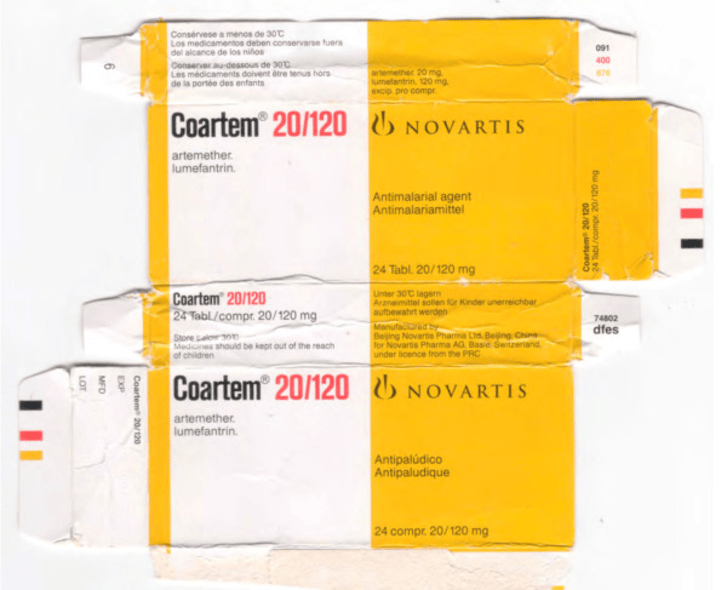
Artemether + Lumefantrine Tablet
Strength:
20 mg/120 mg per tablet
Form: Tablet
Reference Brands: Coartem(EU)
View Details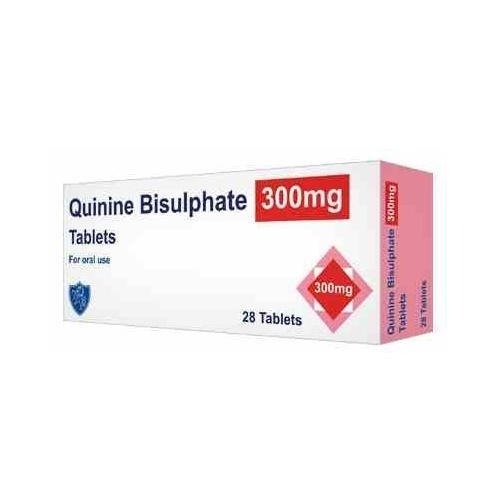
Quinine Sulfate Tablets
Strength:
300 mg, 324 mg, 325 mg, 648 mg
Form: Tablet
Reference Brands: Qualaquin(US)
View Details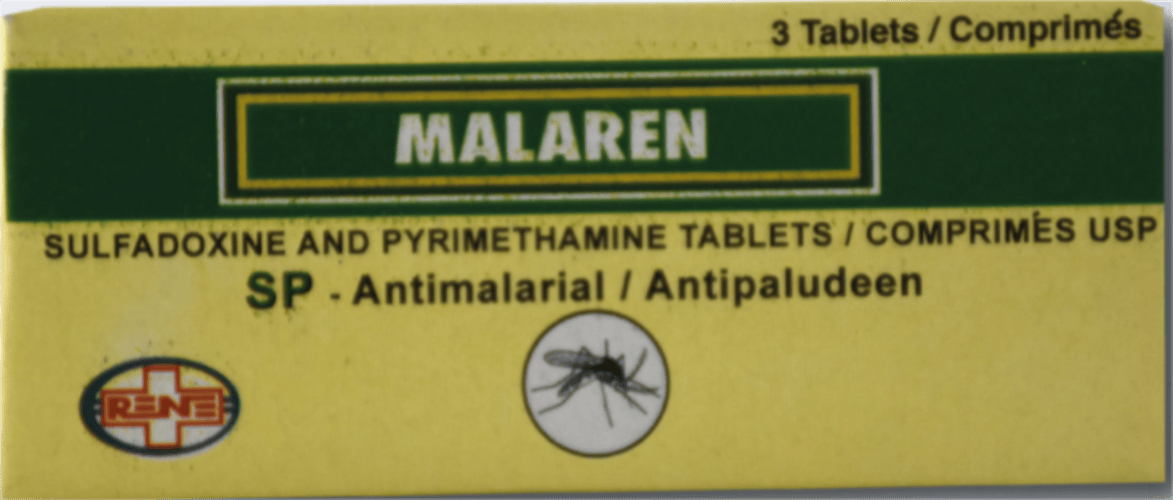
Sulfadoxine + Pyrimethamine (SP) – Tablets
Strength:
500 mg sulfadoxine + 25 mg pyrimethamine; 500 mg + 75 mg
Form: Tablet
Reference Brands: -
View Details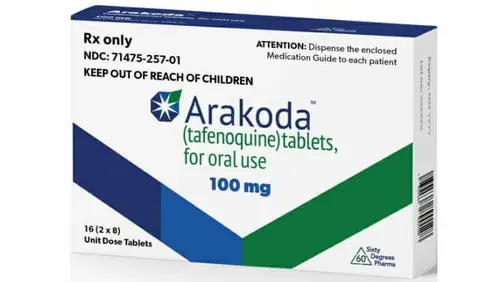
Tafenoquine Tablets
Strength:
100mg, 150mg
Form: Tablets
Reference Brands: Arakoda (USA), Krintafel(USA)
View DetailsUsually answered within 48 hours | GMP documents shared before you commit