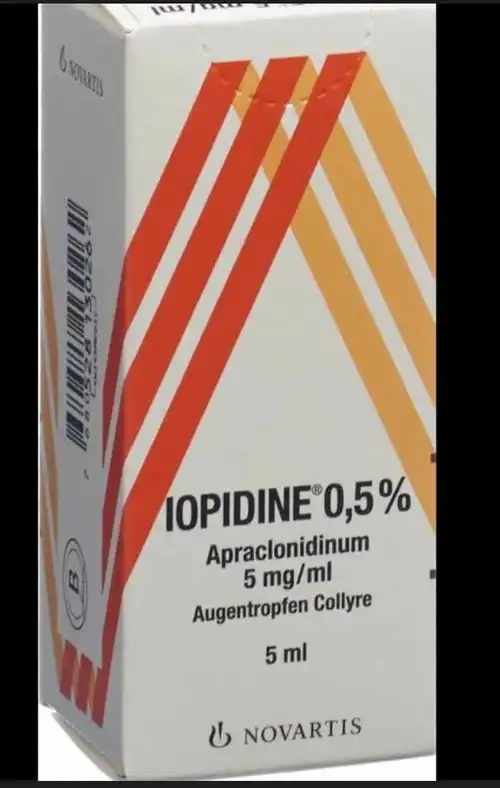
Apraclonidine Hydrochloride 0.5 %, 1% Suppliers & Bulk Manufacturers
Available Forms: Eye Drops
Available Strengths: 0.5 %, 1%
Reference Brands: Iopidine (USA)
Category: Opthalmology
Apraclonidine Hydrochloride is a Opthalmology product available as Eye Drops in strengths 0.5 %, 1%. It corresponds to the reference brand Iopidine (USA). Verified GMP manufacturers and suppliers on PharmaTradz offer it in bulk for import worldwide, with regulatory documentation and dossier support available on request.
Manufacture or export Apraclonidine Hydrochloride? List it or send an offer →
Product Description:
Apraclonidine Hydrochloride, marketed under the brand name Iopidine, is a sympathomimetic agent used in the management of glaucoma and ocular hypertension. It functions primarily as an α2-adrenergic receptor agonist with weak α1-adrenergic receptor activity, allowing it to reduce intraocular pressure (IOP) by decreasing aqueous humor production and enhancing uveoscleral outflow. Topically applied as an ophthalmic solution, apraclonidine is available in 1% concentration for the prevention and treatment of post-surgical IOP spikes and 0.5% concentration for short-term adjunctive therapy in patients on maximally tolerated medical therapy requiring additional IOP reduction.
Apraclonidine is often administered as one drop one hour prior to laser eye procedures and another immediately after the procedure to prevent acute IOP elevation. In addition to its role in glaucoma management, apraclonidine can aid in the diagnosis of Horner’s syndrome. In this condition, sympathetic innervation to the pupillary dilator is lost, resulting in pupil constriction (miosis). Due to its weak α1 activity, apraclonidine induces a super-normal dilation response in the denervated pupil, helping to reverse anisocoria and confirm the diagnosis. Frequent follow-up is recommended for patients using apraclonidine to ensure efficacy and safety.
Apraclonidine Hydrochloride — third party manufacturing & bulk supply
Apraclonidine Hydrochloride 0.5 %, 1% is available through PharmaTradz for wholesale and bulk supply as well as on a third party (contract) manufacturing basis. Buyers sourcing this product generally take one of three routes:
Indicative minimum order quantity
Apraclonidine Hydrochloride is supplied as Eye Drops — a dosage form priced by order value, so the indicative MOQ is a minimum order value of USD 5,000 per product. Actual MOQ is confirmed by the allocated manufacturer against your pack presentation and destination market. See full supply terms for dossier formats, market availability and shelf life.
Manufacturers of Apraclonidine Hydrochloride listed on PharmaTradz hold site-level approvals across WHO-GMP, EU-GMP, USFDA, ANVISA and TGA, verified at onboarding.
Request a quote for Apraclonidine Hydrochloride →Usually answered within 48 hours, with matched manufacturers, indicative prices and document status.
Frequently Asked Questions
Apraclonidine Hydrochloride is used to lower intraocular pressure in patients with glaucoma or ocular hypertension. It is often applied preoperatively to prevent intraocular pressure spikes following laser eye procedures such as trabeculoplasty or iridotomy.
Apraclonidine Hydrochloride is a synthetic imidazoline derivative formulated as the hydrochloride salt for stability and ophthalmic use.
Apraclonidine Hydrochloride is marketed under the trade name Iopidine.
Apraclonidine Hydrochloride is manufactured by several pharmaceutical companies globally, including originator and generic manufacturers that supply regulated ophthalmic products.
The generic name of the product is apraclonidine hydrochloride.
The brand name is Iopidine.
Apraclonidine Hydrochloride is manufactured in GMP-compliant facilities in the USA, Europe, and other regulated markets for ophthalmic use.
Related Products
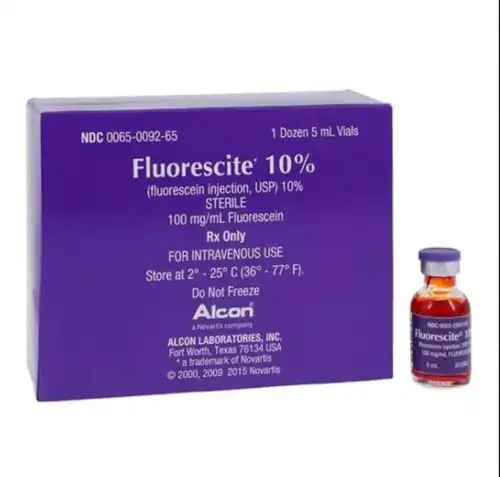
Fluorescein Sodium
Strength:
10 %, 20 %
Form: Injection
Reference Brands: Fluorescite (USA)
View Details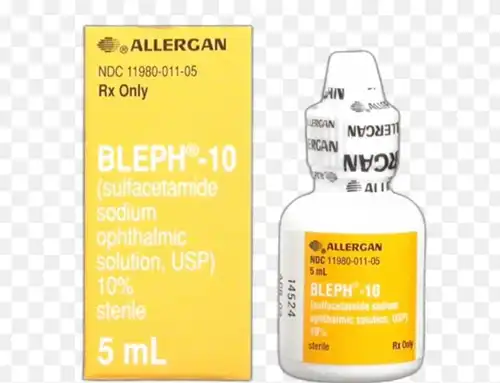
Sulfacetamide Sodium
Strength:
3%,10 %
Form: Eye Drop / Cream
Reference Brands: Sulamyd (USA)
View Details
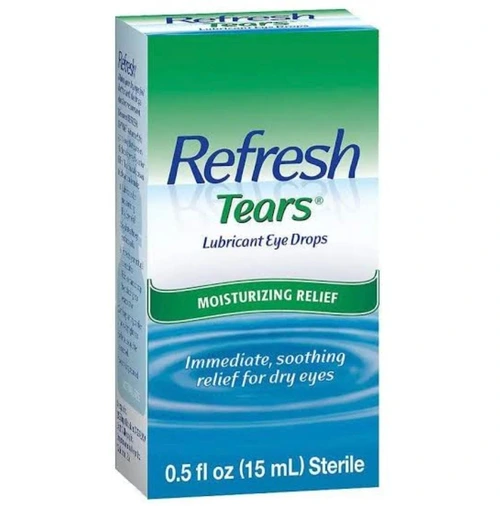
Carboxymethylcellulose Eye Drops
Strength:
0.5% w/v
Form: Ophthalmic Solution (Eye Drops)
Reference Brands: -
View Details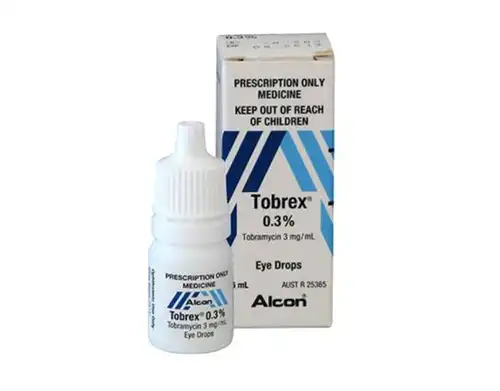
Tobramycin Eye Drops
Strength:
3 mg/mL
Form: Eye Drops
Reference Brands: Tobrex (USA/EU)
View Details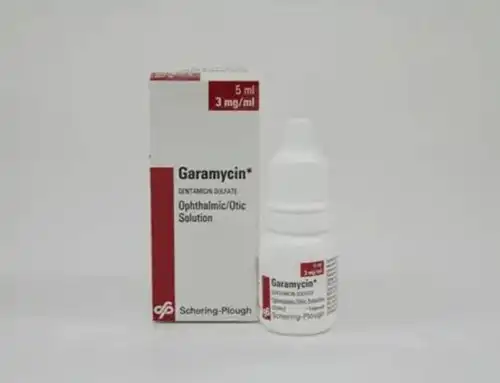
Gentamicin Eye Drops
Strength:
0.3% solution
Form: Drops
Reference Brands: Garamycin (USA)
View Details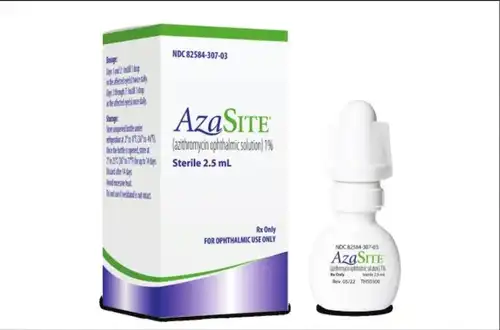
Azithromycin Eye Drops
Strength:
1% solution
Form: Drops
Reference Brands: AzaSite (USA)
View DetailsUsually answered within 48 hours | GMP documents shared before you commit