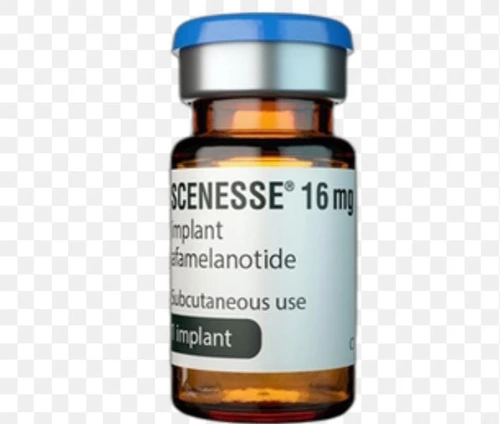
Afamelanotide 16 mg Suppliers & Bulk Manufacturers
Available Forms: Subcutaneous implant
Available Strengths: 16 mg
Reference Brands: Scenesse (USA)
Category: Derma Drugs
Afamelanotide is a Derma Drugs product available as Subcutaneous implant in strengths 16 mg. It corresponds to the reference brand Scenesse (USA). Verified GMP manufacturers and suppliers on PharmaTradz offer it in bulk for import worldwide, with regulatory documentation and dossier support available on request.
Manufacture or export Afamelanotide? List it or send an offer →
Product Description:
Afamelanotide is a synthetic peptide medication used to prevent phototoxic reactions and reduce pain caused by light exposure in patients with erythropoietic protoporphyria (EPP), a rare genetic photosensitivity disorder. It is marketed under the brand name Scenesse and is administered as a prolonged-release subcutaneous implant.
Afamelanotide acts as an agonist of the melanocortin-1 (MC1) receptor and is an analogue of the naturally occurring alpha-melanocyte-stimulating hormone (α-MSH). By mimicking the biological activity of α-MSH, afamelanotide stimulates melanocytes in the skin to increase the production and release of melanin. Elevated melanin levels enhance the skin’s tolerance to visible and ultraviolet light exposure.
The increased melanin provides photoprotective effects by reducing ultraviolet radiation-induced cellular DNA damage, limiting oxidative stress on membrane proteins, and helping maintain normal intracellular signaling processes in epidermal cells. Under physiological conditions, α-MSH is released by skin cells in response to ultraviolet radiation; afamelanotide replicates this protective mechanism in patients with impaired photoprotection.
Afamelanotide offers an effective preventive treatment option for managing light-induced pain and improving quality of life in individuals affected by erythropoietic protoporphyria.
Afamelanotide — third party manufacturing & bulk supply
Afamelanotide 16 mg is available through PharmaTradz for wholesale and bulk supply as well as on a third party (contract) manufacturing basis. Buyers sourcing this product generally take one of three routes:
Indicative minimum order quantity
Afamelanotide is supplied as Subcutaneous implant — a dosage form priced by order value, so the indicative MOQ is a minimum order value of USD 5,000 per product. Actual MOQ is confirmed by the allocated manufacturer against your pack presentation and destination market. See full supply terms for dossier formats, market availability and shelf life.
Manufacturers of Afamelanotide listed on PharmaTradz hold site-level approvals across WHO-GMP, EU-GMP, USFDA, ANVISA and TGA, verified at onboarding.
Request a quote for Afamelanotide →Usually answered within 48 hours, with matched manufacturers, indicative prices and document status.
Frequently Asked Questions
Afamelanotide is used to prevent and reduce phototoxic reactions in adult patients with erythropoietic protoporphyria (EPP), a rare genetic disorder causing severe pain and skin damage upon exposure to sunlight.
Afamelanotide is made from the active pharmaceutical ingredient afamelanotide acetate, a chemically synthesized peptide analogue of alpha-melanocyte-stimulating hormone.
The trade name of afamelanotide is Scenesse.
Afamelanotide is developed and marketed by Clinuvel Pharmaceuticals.
The complete generic name is afamelanotide acetate.
The brand name is Scenesse.
Afamelanotide is manufactured at Clinuvel Pharmaceuticals’ approved manufacturing facilities in Europe and other regulated regions, depending on market authorization.
Related Products
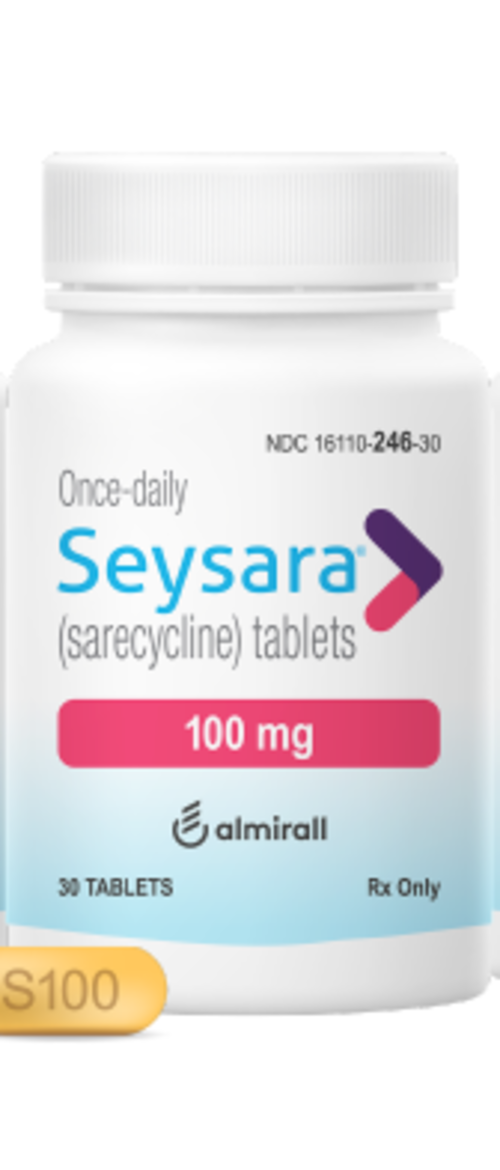
Sarecycline
Strength:
60 mg, 100 mg, 150 mg
Form: Tablets
Reference Brands: Seysara (USA)
View Details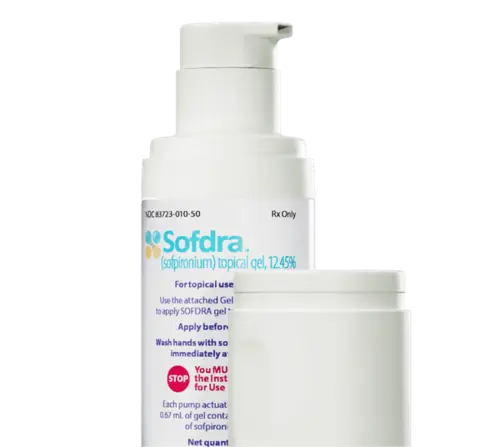
Sofpironium Bromide
Strength:
5%, 12.45%
Form: Topical Gel
Reference Brands: ECCLOCK, Sofdra
View Details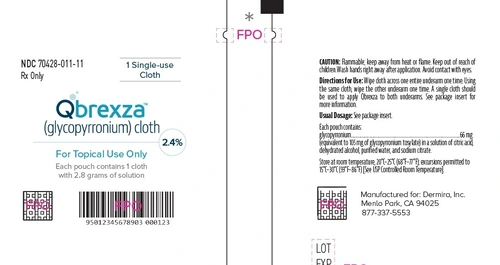
Glycopyrronium Tosylate
Strength:
2.4%
Form: Topical cloth (single-use pouch)
Reference Brands: Qbrexza (USA)
View Details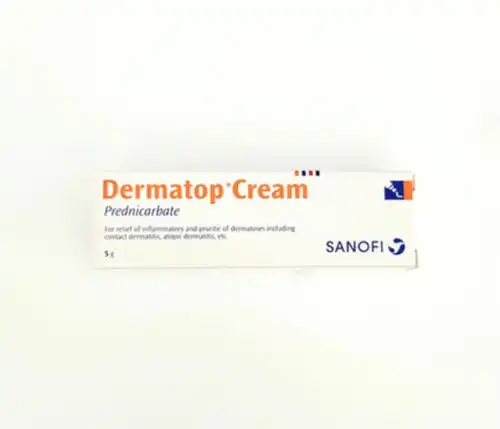
Prednicarbate
Strength:
(0.1%
Form: topical cream, ointment
Reference Brands: Dermatop (USA)
View Details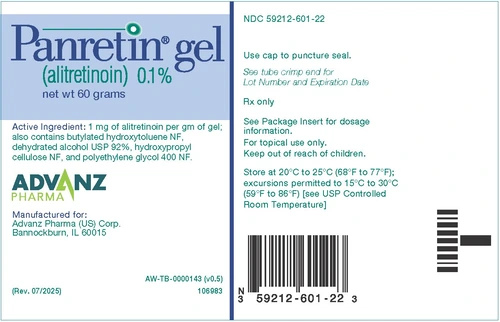
Alitretinoin
Strength:
10 mg, 30 mg, 0.1%
Form: Capsule / Gel
Reference Brands: Panretin (USA), Toctino (EU)
View Details
Difamilast Ointment
Strength:
1% (Japan also 0.3%)
Form: Ointment
Reference Brands: Adquey (US), Moizerto (Japan)
View DetailsUsually answered within 48 hours | GMP documents shared before you commit