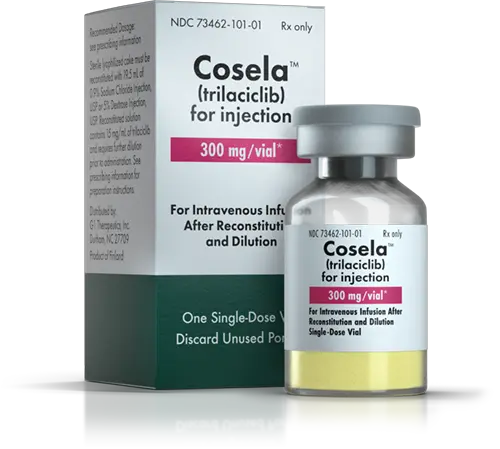
Trilaciclib Dihydrochloride 300 mg Suppliers & Bulk Manufacturers
Available Forms: Injection
Available Strengths: 300 mg
Reference Brands: Cosela (USA)
Category: Oncology Cancer Care
Trilaciclib Dihydrochloride is a Oncology Cancer Care product available as Injection in strengths 300 mg. It corresponds to the reference brand Cosela (USA). Verified GMP manufacturers and suppliers on PharmaTradz offer it in bulk for import worldwide, with regulatory documentation and dossier support available on request.
Manufacture or export Trilaciclib Dihydrochloride? List it or send an offer →
Product Description:
Trilaciclib, marketed under the brand name Cosela, is a first-in-class CDK4/6 inhibitor designed to reduce the frequency of chemotherapy-induced bone marrow suppression in adults. It is indicated for patients receiving specific chemotherapy regimens for extensive-stage small cell lung cancer (SCLC). By inhibiting cyclin-dependent kinase 4/6, trilaciclib temporarily arrests hematopoietic stem and progenitor cells in the G1 phase of the cell cycle, thereby protecting bone marrow from chemotherapy-induced damage.
Trilaciclib is administered intravenously prior to chemotherapy under medical supervision and is intended to preserve bone marrow function without compromising the anticancer activity of chemotherapeutic agents. Its protective mechanism helps reduce the incidence of myelosuppression, including neutropenia, anemia, and thrombocytopenia, which can improve patient outcomes and allow for the continuation of scheduled chemotherapy cycles.
Trilaciclib Dihydrochloride — third party manufacturing & bulk supply
Trilaciclib Dihydrochloride 300 mg is available through PharmaTradz for wholesale and bulk supply as well as on a third party (contract) manufacturing basis. Buyers sourcing this product generally take one of three routes:
Indicative minimum order quantity
Trilaciclib Dihydrochloride is supplied as Injection — an injectable dosage form, so the indicative MOQ is 50,000 units. Actual MOQ is confirmed by the allocated manufacturer against your pack presentation and destination market. See full supply terms for dossier formats, market availability and shelf life.
Manufacturers of Trilaciclib Dihydrochloride listed on PharmaTradz hold site-level approvals across WHO-GMP, EU-GMP, USFDA, ANVISA and TGA, verified at onboarding.
Request a quote for Trilaciclib Dihydrochloride →Usually answered within 48 hours, with matched manufacturers, indicative prices and document status.
Frequently Asked Questions
Trilaciclib dihydrochloride is used to protect bone marrow cells during chemotherapy by reducing the incidence of chemotherapy-induced myelosuppression, including neutropenia, anemia, and thrombocytopenia, without affecting the anticancer activity of chemotherapeutic agents.
Trilaciclib dihydrochloride is a synthetic CDK4/6 inhibitor that temporarily arrests hematopoietic stem and progenitor cells in the G1 phase of the cell cycle to protect them from chemotherapy-induced damage.
Trilaciclib dihydrochloride is marketed under the trade name Cosela.
Trilaciclib dihydrochloride (Cosela) is manufactured by G1 Therapeutics, Inc., with production depending on regional regulatory approvals.
The generic name of the product is trilaciclib dihydrochloride.
A commonly recognized brand name of trilaciclib dihydrochloride is Cosela.
Trilaciclib dihydrochloride is manufactured in countries including the USA and EU regions, depending on the approved manufacturer and market authorization.
Related Products
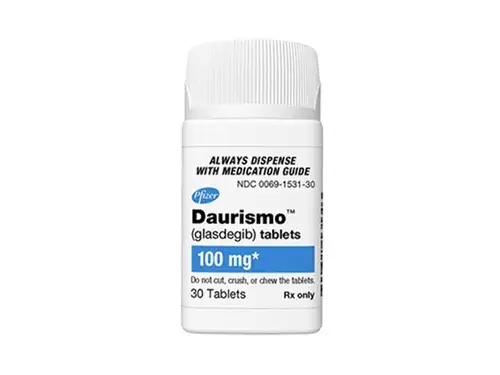
Glasdegib Maleate
Strength:
25 mg, 100 mg
Form: Tablets
Reference Brands: Daurismo (USA/EU)
View Details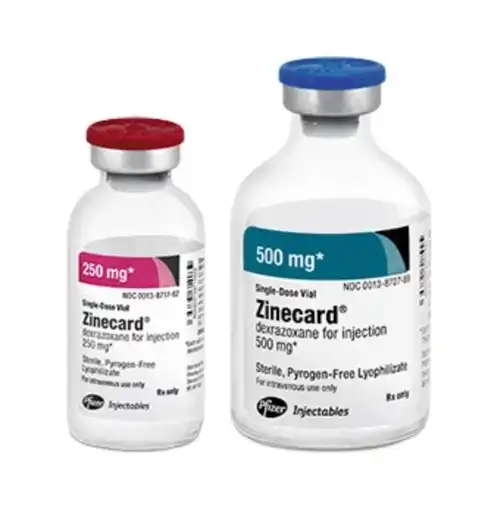
Dexrazoxane Hydrochloride
Strength:
500 mg/50 mL, 250 mg/25 mL
Form: Injection
Reference Brands: Zinecard (USA), Cardioxane (EU)
View Details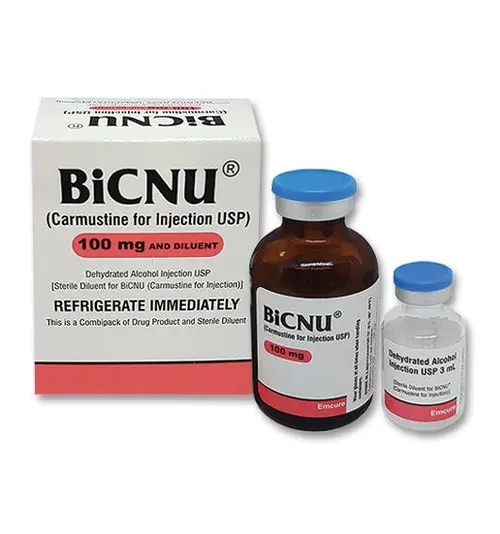
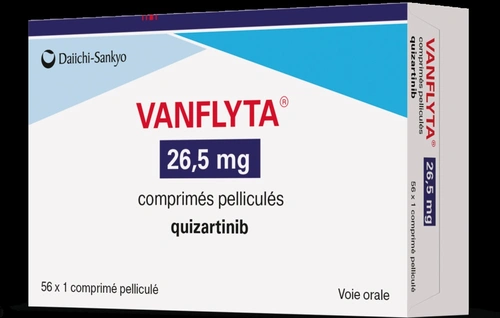
Quizartinib Dihydrochloride
Strength:
17.7 mg , 26.5 mg
Form: Tablets
Reference Brands: Vanflyta (USA/EU)
View Details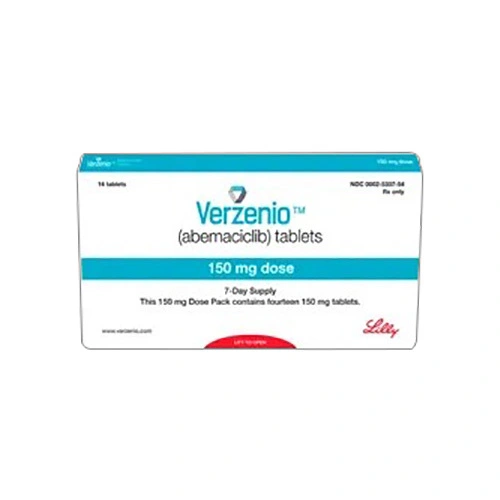
Abemaciclib
Strength:
50 mg, 100 mg, 150 mg, 200 mg
Form: Tablets
Reference Brands: Verzenio (USA)
View Details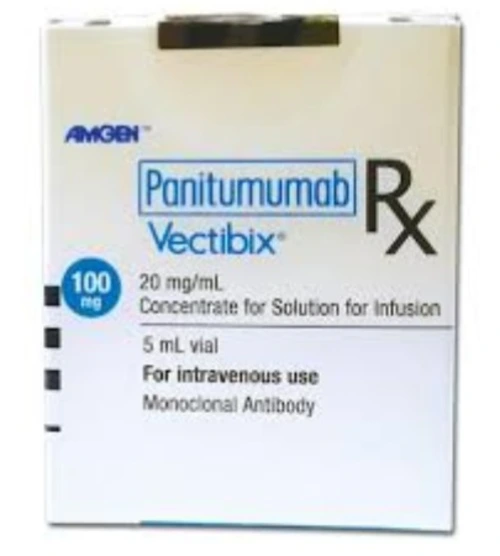
Panitumumab
Strength:
100 mg/5 mL
Form: Solution for Infusion
Reference Brands: Vectibix (USA/LATAM)
View Details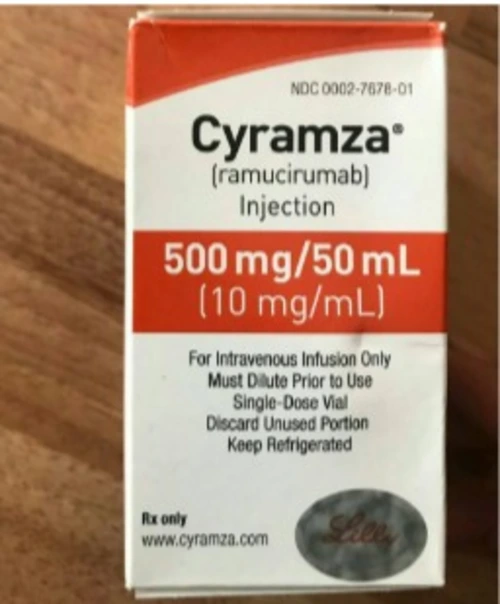
Ramucirumab
Strength:
100 mg/10 mL
Form: Solutions for disinfection
Reference Brands: Cyramza (USA)
View DetailsUsually answered within 48 hours | GMP documents shared before you commit