Bivalirudin 250 mg Suppliers & Bulk Manufacturers
Available Forms: Injection
Available Strengths: 250 mg
Reference Brands: Angiomax (USA)
Category: Anaesthetics
Bivalirudin is a Anaesthetics product available as Injection in strengths 250 mg. It corresponds to the reference brand Angiomax (USA). Verified GMP manufacturers and suppliers on PharmaTradz offer it in bulk for import worldwide, with regulatory documentation and dossier support available on request.
Manufacture or export Bivalirudin? List it or send an offer →
Product Description:
Bivalirudin is a direct thrombin inhibitor widely used in the management of patients undergoing percutaneous coronary intervention (PCI), particularly in cases of acute myocardial infarction. It plays a critical role in preventing thrombus formation during interventional cardiac procedures by providing rapid, predictable, and controllable anticoagulation. In addition to its established use in PCI, bivalirudin has broader clinical applications, including the management of thromboembolic disorders, cardiopulmonary bypass procedures, and extracorporeal membrane oxygenation, where precise anticoagulant control is essential.
Chemically, bivalirudin is a short, synthetic peptide derived from hirudin, a naturally occurring anticoagulant found in the saliva of the medicinal leech Hirudo medicinalis. It acts by directly and reversibly binding to thrombin, inhibiting both circulating and clot-bound thrombin, as well as thrombin-mediated platelet activation and aggregation. Unlike indirect thrombin inhibitors such as heparin, bivalirudin does not require antithrombin as a cofactor, does not bind to plasma proteins or red blood cells, and does not activate platelets.
Bivalirudin has a rapid onset of action and a short half-life, resulting in a predictable antithrombotic response. Importantly, it carries no risk of heparin-induced thrombocytopenia, making it a reliable alternative to heparin in high-risk patients.
Bivalirudin — third party manufacturing & bulk supply
Bivalirudin 250 mg is available through PharmaTradz for wholesale and bulk supply as well as on a third party (contract) manufacturing basis. Buyers sourcing this product generally take one of three routes:
Indicative minimum order quantity
Bivalirudin is supplied as Injection — an injectable dosage form, so the indicative MOQ is 50,000 units. Actual MOQ is confirmed by the allocated manufacturer against your pack presentation and destination market. See full supply terms for dossier formats, market availability and shelf life.
Manufacturers of Bivalirudin listed on PharmaTradz hold site-level approvals across WHO-GMP, EU-GMP, USFDA, ANVISA and TGA, verified at onboarding.
Request a quote for Bivalirudin →Usually answered within 48 hours, with matched manufacturers, indicative prices and document status.
Frequently Asked Questions
Bivalirudin is used as an anticoagulant to reduce the risk of blood clot formation during percutaneous coronary intervention and other interventional cardiac procedures. It is commonly administered in patients with unstable angina or myocardial infarction undergoing angioplasty and is particularly useful in patients with or at risk of heparin-induced thrombocytopenia.
Bivalirudin is a synthetic peptide composed of 20 amino acids. It is specifically designed to bind directly to thrombin, inhibiting its activity without requiring cofactors such as antithrombin III.
Bivalirudin is marketed under the trade names Angiomax in the United States and Angiox in the European Union and the United Kingdom.
Bivalirudin is manufactured by multiple pharmaceutical companies worldwide, including originator and generic injectable manufacturers that supply hospital and regulated markets, depending on regional approvals.
The generic name of the product is bivalirudin.
The well-known brand names of bivalirudin include Angiomax and Angiox.
Bivalirudin is manufactured in several countries, including the United States, India, and various European countries, by GMP-compliant pharmaceutical manufacturers supplying injectable formulations for hospital use.
Related Products

Succinylcholine Chloride
Strength:
20 mg/mL, 100 mg/mL
Form: Injection
Reference Brands: Anectine (USA), Quelicin (USA)
View Details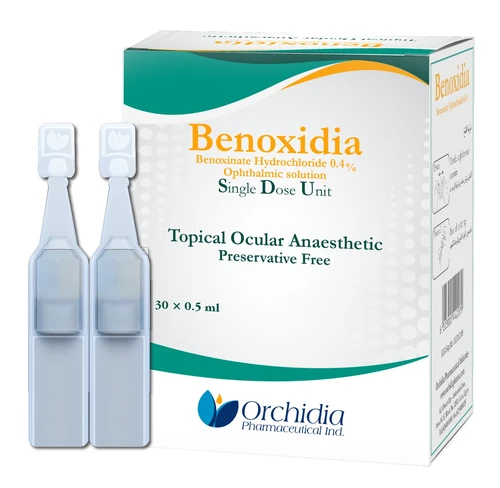
Benoxinate Hydrochloride
Strength:
0.4% w/v
Form: Ophthalmic Solution
Reference Brands: -
View Details
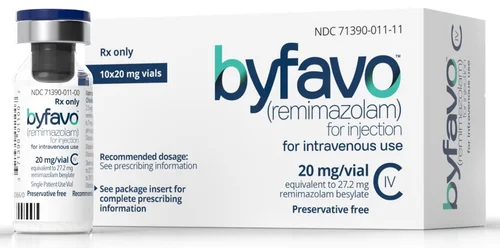
Remimazolam Besylate
Strength:
20 mg, 50 mg
Form: Injection
Reference Brands: Byfavo (USA/EU)
View Details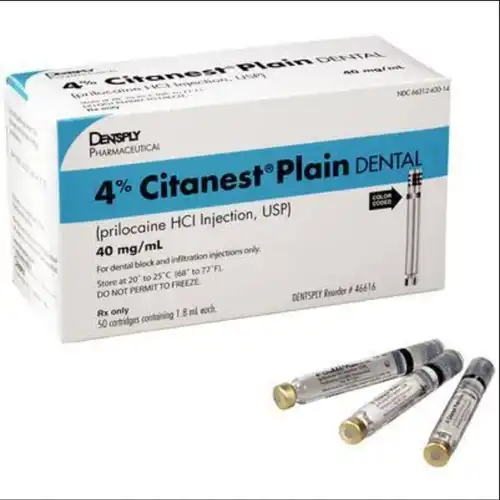
Prilocaine
Strength:
10mg/ml, 20mg/ml, 30mg/ml
Form: Injection
Reference Brands: Citanest (EU/UK)
View Details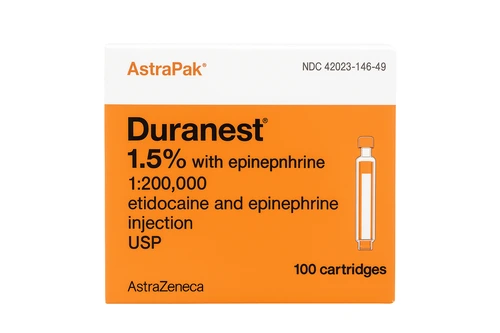
Etidocaine
Strength:
1% ,1.5% , 2%
Form: Injection
Reference Brands: Duranest (USA/EU/UK)
View Details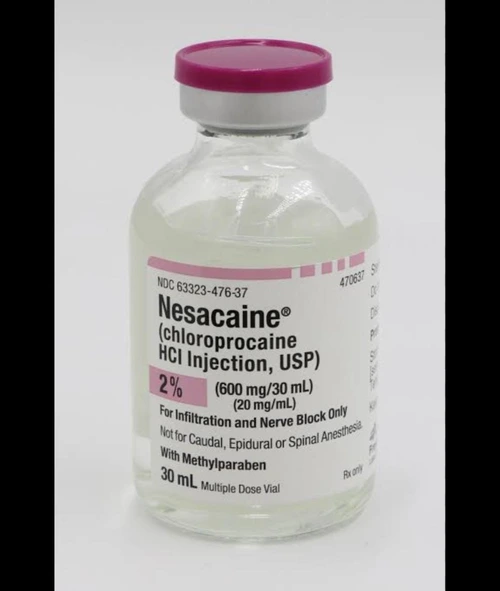
Chloroprocaine
Strength:
10mg/ml, 20mg/ml, 30mg/ml
Form: Injection
Reference Brands: Nesacaine (USA)
View Details
Usually answered within 48 hours | GMP documents shared before you commit