How to Source Niraparib for Pharmaceutical Formulation
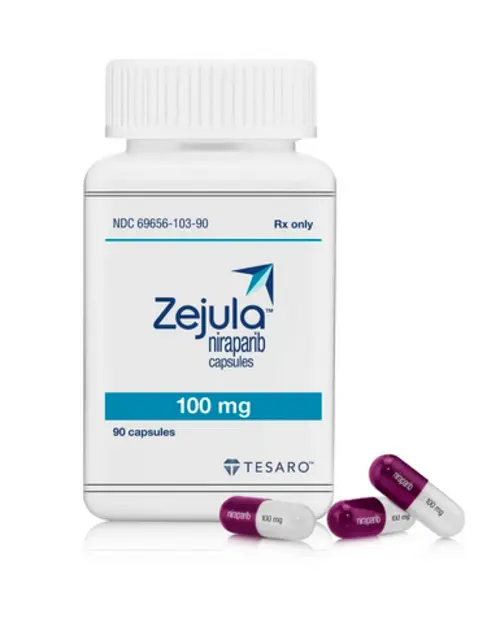
Niraparib (Capsule/ Tablet, 100 mg, 200 mg, 300 mg) is classified under Oncology Cancer Care. It is therapeutically aligned with reference brands such as Zejula (USA/EU). This guide highlights key sourcing factors buyers should consider when procuring high-quality Niraparib for formulation, R&D, or bulk manufacturing.
Product Overview:
Niraparib is an oral PARP inhibitor used for the treatment and maintenance of advanced ovarian, fallopian tube, or primary peritoneal cancer. It works by blocking the PARP enzyme, which helps repair DNA damage in cancer cells, leading to cell death, especially in tumors with BRCA mutations or homologous recombination deficiency (HRD). Niraparib is available in capsules or tablets and is taken once daily, with the dose adjusted based on body weight and platelet count. It helps delay cancer progression and is generally used after platinum-based chemotherapy.
1. Regulatory Compliance & Documentation
Ensure suppliers provide:
- ✔ Valid DMF (Drug Master File)
- ✔ COA (Certificate of Analysis) for each batch
- ✔ GMP, ISO, or ICH Q7 compliance certificates
2. Purity, Grade & Specification Matching
Niraparib must meet exact grade and purity for your dosage form:
- ✔ USP / EP / JP grade verification
- ✔ Particle size distribution check
- ✔ Residual solvent and heavy metal limits
3. Supplier Reliability & Audit History
- ✔ Positive past audit reports
- ✔ Pharma client references
- ✔ Years of proven API manufacturing experience
4. Commercial Terms: Pricing, MOQ & Flexibility
- ✔ Transparent pricing
- ✔ Pilot batch MOQ flexibility
- ✔ Volume-based discounts
5. Lead Time, Inventory & Logistics
Typical lead time for Niraparib is 4–6 weeks.
- ✔ Emergency dispatch options
- ✔ Regional warehousing
- ✔ Special storage if needed
6. Formulation Support
- ✔ Technical datasheets
- ✔ Sample availability
- ✔ Stability study support
Conclusion
Sourcing Niraparib is more than procurement—it’s a strategic partnership. With its capsule/ tablet form and 100 mg, 200 mg, 300 mg specification, choosing a compliant supplier ensures consistent quality and regulatory approval. Prioritize documentation, verify compatibility, and build relationships with transparent, reliable suppliers to secure long-term success.
Next Step: Get expert assistance in sourcing Niraparib.
Frequently Asked Questions For Sourcing of Niraparib
What is the typical lead time for Niraparib?
Lead times range from 4–6 weeks depending on supplier and region.
Is Niraparib available in multiple grades?
Yes — common grades include USP, EP, and JP. Verify grade suitability for your dosage form before purchase.
Does Niraparib require special storage?
It should be stored in a cool, dry place away from direct sunlight.
Is a Drug Master File (DMF) available for Niraparib?
Yes, a DMF is available for regulated markets upon request. It includes detailed quality, manufacturing, and stability data.
Can I request samples or a pilot batch of Niraparib?
Yes — pilot batches or samples can be arranged for R&D, stability studies, or formulation trials. MOQ may vary based on region and regulatory scope.
What compliance certificates are available for Niraparib?
Available documentation may include GMP, ISO 9001, ISO 14001, and ICH Q7 certificates, along with CoA, TDS, and stability data.
Is Niraparib suitable for regulated markets like US/EU?
Yes — compliant with EU/US/WHO GMP standards and available with regulatory support documentation for filings.
Can Niraparib be used in fixed-dose combinations?
Yes — many formulations support inclusion in FDCs. Compatibility studies and formulation consultation are available on request.

Advertise on PharmaTradZ
Reach verified pharma buyers, suppliers & decision makers worldwide.
Explore Pharma Investment Opportunities
Connect with partners, startups & ventures driving the future of pharma.
Grow Your Pharma Brand
Advertise to verified pharma buyers and manufacturers worldwide.
PharmaTradz AI
Online · B2B Pharma Sourcing · NPP