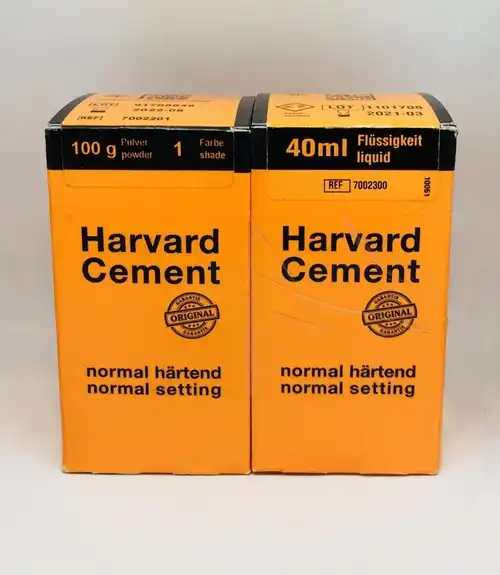
Zinc Phosphate Cement 100 g Suppliers & Bulk Manufacturers
Available Forms: Powder/ Liquid
Available Strengths: 100 g
Reference Brands: -
Category: Dental / Oral Health
Zinc Phosphate Cement is a Dental / Oral Health product available as Powder/ Liquid in strengths 100 g. It corresponds to the reference brand -. Verified GMP manufacturers and suppliers on PharmaTradz offer it in bulk for import worldwide, with regulatory documentation and dossier support available on request.
Manufacture or export Zinc Phosphate Cement? List it or send an offer →
Product Description:
Zinc phosphate cement is a traditional dental luting material widely used for the cementation of crowns, bridges, inlays, and orthodontic appliances. It is one of the oldest and most reliable dental cements, known for its good mechanical strength, long clinical history, and ease of handling. The material is formed by mixing zinc oxide powder with phosphoric acid liquid, resulting in a hard cement that securely holds dental restorations in place.
Recent research has also explored the biocompatibility of zinc phosphate cement beyond its conventional dental applications. Studies evaluating its interaction with MG63 cells have shown promising results, indicating that the material can support cell viability and proliferation. Laboratory testing using cell viability assays demonstrated that cells remained healthy both when in contact with the cement surface and when exposed to its leachate. Microscopic analysis further confirmed that the cells maintained normal morphology and attachment on the material.
Additional investigations into elemental release revealed higher levels of phosphorus and relatively low levels of zinc released from the cement over time. Antimicrobial testing showed limited inhibitory activity against certain bacteria, likely due to the material’s maturation characteristics. Overall, findings suggest that zinc phosphate cement exhibits good biocompatibility and may have potential for broader biomedical or bone-contact applications while continuing to serve as a reliable material in restorative dentistry.
Zinc Phosphate Cement — third party manufacturing & bulk supply
Zinc Phosphate Cement 100 g is available through PharmaTradz for wholesale and bulk supply as well as on a third party (contract) manufacturing basis. Buyers sourcing this product generally take one of three routes:
Indicative minimum order quantity
Zinc Phosphate Cement is supplied as Powder/ Liquid — a dosage form priced by order value, so the indicative MOQ is a minimum order value of USD 5,000 per product. Actual MOQ is confirmed by the allocated manufacturer against your pack presentation and destination market. See full supply terms for dossier formats, market availability and shelf life.
Manufacturers of Zinc Phosphate Cement listed on PharmaTradz hold site-level approvals across WHO-GMP, EU-GMP, USFDA, ANVISA and TGA, verified at onboarding.
Request a quote for Zinc Phosphate Cement →Usually answered within 48 hours, with matched manufacturers, indicative prices and document status.
Frequently Asked Questions
Zinc phosphate cement is used in dentistry mainly for cementing crowns, bridges, inlays, onlays, and orthodontic appliances. It has been used for many years as a reliable luting agent due to its strong mechanical properties and long clinical history.
Zinc phosphate cement is made from zinc oxide powder mixed with phosphoric acid liquid. When combined, the materials undergo an acid–base reaction that forms a hard dental cement suitable for securing restorations.
Common trade names include Harvard Cement, Fleck’s Zinc Phosphate Cement, and DeTrey Zinc Phosphate Cement.
Zinc phosphate cement products are manufactured by companies such as Harvard Dental International, Mizzy Inc, and Dentsply Sirona for global dental markets.
The generic name is zinc phosphate dental cement.
Examples of brand names include Harvard Cement, Fleck’s Zinc Phosphate Cement, and DeTrey Zinc Phosphate Cement.
Zinc phosphate cement is manufactured in regulated dental material manufacturing facilities in countries such as Germany, the United States, and other regions supplying dental clinics worldwide.
Related Products
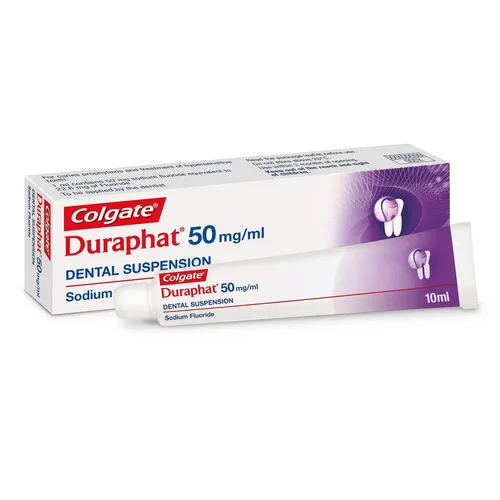
Sodium Fluoride
Strength:
50 mg
Form: Dental Suspension
Reference Brands: Duraphat (EU/UK)
View Details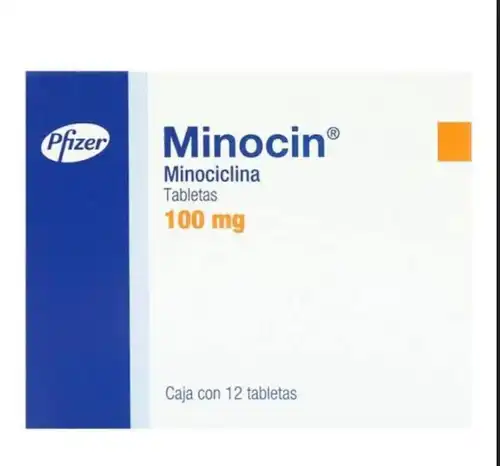
Minocycline Hydrochloride
Strength:
50 mg, 75 mg, 100 mg, 20 mg/m
Form: Tablets/ capsules/ Injectable
Reference Brands: Minocin (USA), Solodyn (USA)
View Details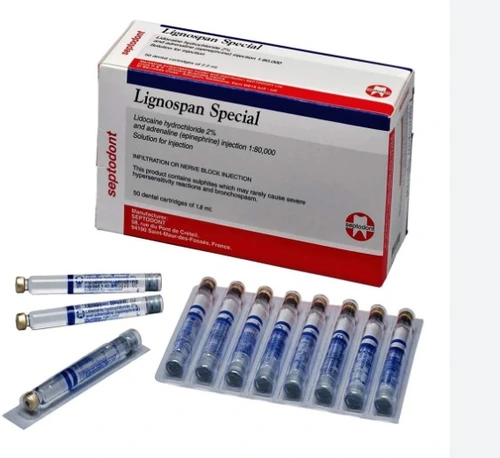
Lidocaine Hydrochloride / Epinephrine
Strength:
2%+1:50,000, 2%+1:80,000
Form: Dental cartridge
Reference Brands: Xylocaine (USA/EU)
View Details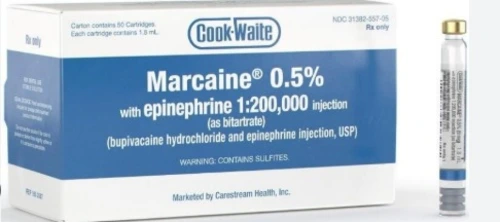
Bupivacaine Hydrochloride / Epinephrine
Strength:
0.25%+1:200,000, 0.5%+1:200,000
Form: Injection / Cartridge
Reference Brands: Marcaine (USA/EU), Sensorcaine (USA/LATAM
View DetailsUsually answered within 48 hours | GMP documents shared before you commit