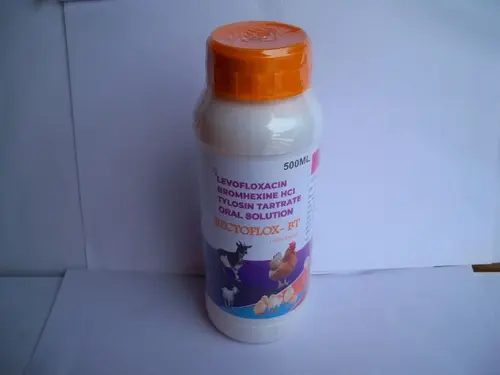
Levofloxacin / Tylosin Suspension 50mg+100mg, 50mg+200mg Suppliers & Bulk Manufacturers
Available Forms: Suspension
Available Strengths: 50mg+100mg, 50mg+200mg
Reference Brands: -
Category: Veterinary Product
Levofloxacin and tylosin oral suspension for veterinary use, a fluoroquinolone and macrolide combination registered only in some markets. For licensed veterinary importers who have confirmed it is permitted.
Manufacture or export Levofloxacin / Tylosin Suspension? List it or send an offer →
Product Description:
This veterinary oral suspension combines levofloxacin, a fluoroquinolone that blocks bacterial DNA gyrase and topoisomerase IV, with tylosin, a macrolide that inhibits bacterial protein synthesis. Tylosin is a long-established veterinary antibiotic active against Mycoplasma and many Gram-positive bacteria, and levofloxacin adds Gram-negative cover. The listed strengths, 50 mg + 100 mg and 50 mg + 200 mg, carry no volume, so confirm whether they are per millilitre or per dose.
WHO places fluoroquinolones and macrolides among the critically important antimicrobials of highest priority for human medicine, so their use in food-producing animals is tightly restricted in many markets. Levofloxacin is a human fluoroquinolone and is not authorised for animals in the EU or the United States, where veterinary fluoroquinolones are other molecules such as enrofloxacin, and US rules prohibit extra-label fluoroquinolone use in food-producing animals. Where the combination is registered, it is a prescription-only veterinary product used after diagnosis. Withdrawal periods for meat, milk and eggs are critical. It is not for human use.
Sourcing notes. Confirm before any order that your veterinary authority permits this combination; many will not. Where it is registered, request the marketing authorisation, the veterinary GMP certificate, a CoA per batch with assays for both actives, resuspendability and microbial limits, and the residue studies behind the withdrawal periods. Suspensions settle on standing, so the label must say shake well, and the bottle needs a reliable measuring device. Store at room temperature, away from light and frost. Specify strength basis, bottle volume, species and label language.
Levofloxacin / Tylosin Suspension — third party manufacturing & bulk supply
Levofloxacin / Tylosin Suspension 50mg+100mg, 50mg+200mg is available through PharmaTradz for wholesale and bulk supply as well as on a third party (contract) manufacturing basis. Buyers sourcing this product generally take one of three routes:
Indicative minimum order quantity
Levofloxacin / Tylosin Suspension is supplied as Suspension — a dosage form priced by order value, so the indicative MOQ is a minimum order value of USD 5,000 per product. Actual MOQ is confirmed by the allocated manufacturer against your pack presentation and destination market. See full supply terms for dossier formats, market availability and shelf life.
Manufacturers of Levofloxacin / Tylosin Suspension listed on PharmaTradz hold site-level approvals across WHO-GMP, EU-GMP, USFDA, ANVISA and TGA, verified at onboarding.
Request a quote for Levofloxacin / Tylosin Suspension →Usually answered within 48 hours, with matched manufacturers, indicative prices and document status.
Frequently Asked Questions
Levofloxacin / Tylosin Suspension is a broad-spectrum veterinary antibiotic formulation used to treat bacterial infections in animals, particularly in livestock and poultry. It is effective against respiratory tract infections, gastrointestinal infections, and other systemic bacterial infections caused by susceptible organisms. The combination of levofloxacin and tylosin helps provide enhanced antimicrobial coverage for both gram-positive and gram-negative bacteria.
This suspension contains two active ingredients: levofloxacin, a fluoroquinolone antibiotic that inhibits bacterial DNA replication, and tylosin, a macrolide antibiotic that interferes with bacterial protein synthesis. The combination ensures broad-spectrum antibacterial activity suitable for veterinary use.
It is marketed under various veterinary brand names depending on the manufacturer and region, often as “LevoTyl Suspension” or similar generic veterinary products.
Several companies make it, in India and elsewhere. Tell us your market and we will match you with licensed makers whose documents fit.
The generic name is levofloxacin and tylosin suspension.
Common brand names include LevoTyl Suspension and other generic veterinary formulations.
It is manufactured in countries such as India, Bulgaria, China, and other regions where veterinary pharmaceutical companies produce combination antibacterial suspensions for livestock and poultry.
Related Products
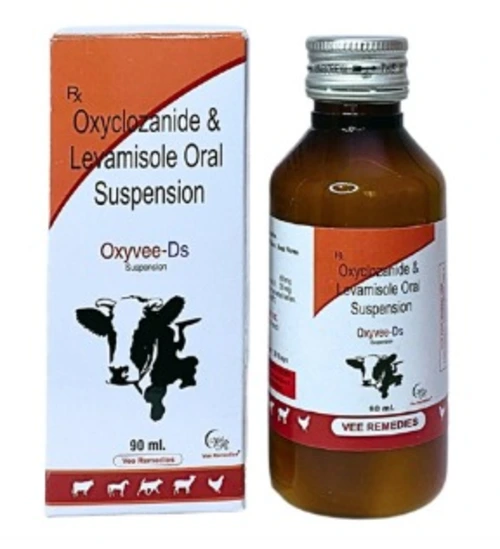
Levamisol / Oxyclozanide Suspension
Strength:
3% w/v, 6% w/v
Form: Suspension
Reference Brands: -
View Details
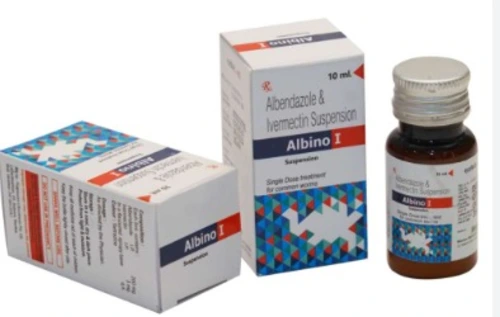
Albendazole / Ivermectine Suspension
Strength:
125mg/5ml, 5 mg/5 ml
Form: Suspension
Reference Brands: -
View Details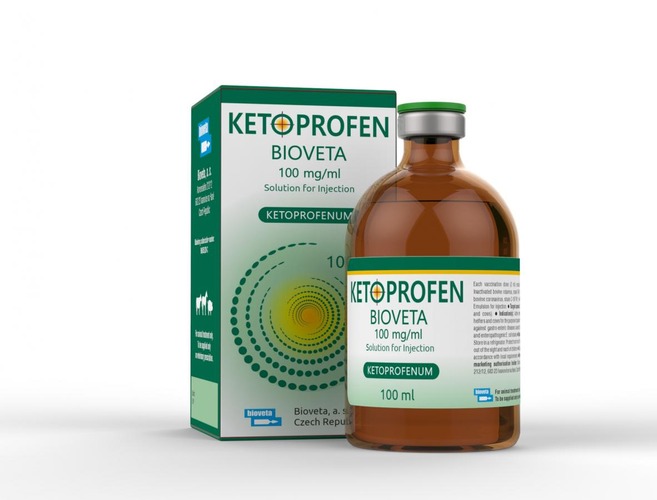
Ketoprofen Injectable Solution (IM, IV)
Strength:
100 mg/mL
Form: Injectable solution (IM, IV)
Reference Brands: Orudis, Ketofen(US)
View Details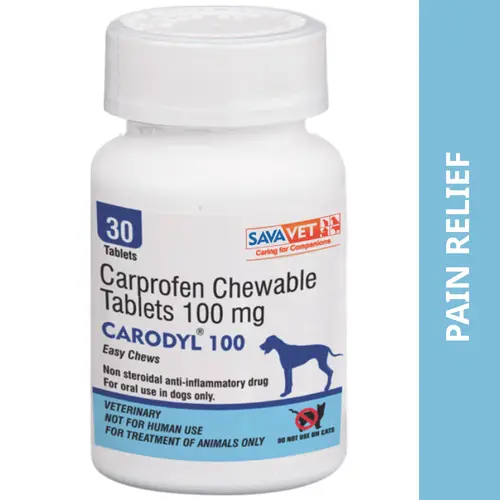
Carprofen Chewable Tablets
Strength:
25 mg, 75 mg, 100 mg tablets
Form: Chewable tablets
Reference Brands: Rimadyl(US)
View Details
Multivitamin Capsules for Poultry and Livestock
Strength:
Strength varies based on formulation
Form: Capsules
Reference Brands: -
View DetailsUsually answered within 48 hours | GMP documents shared before you commit